Difference between vitamis and minerals
Vitamins and minerals are both essential nutrients required for various bodily functions, but they differ in several key ways:
- Chemical Nature
Vitamins: Organic compounds (contain carbon) produced by living organisms (plants, animals).
Minerals: Inorganic elements (do not contain carbon) originating from soil, water, or rocks, absorbed by plants and consumed by animals.
- Sources
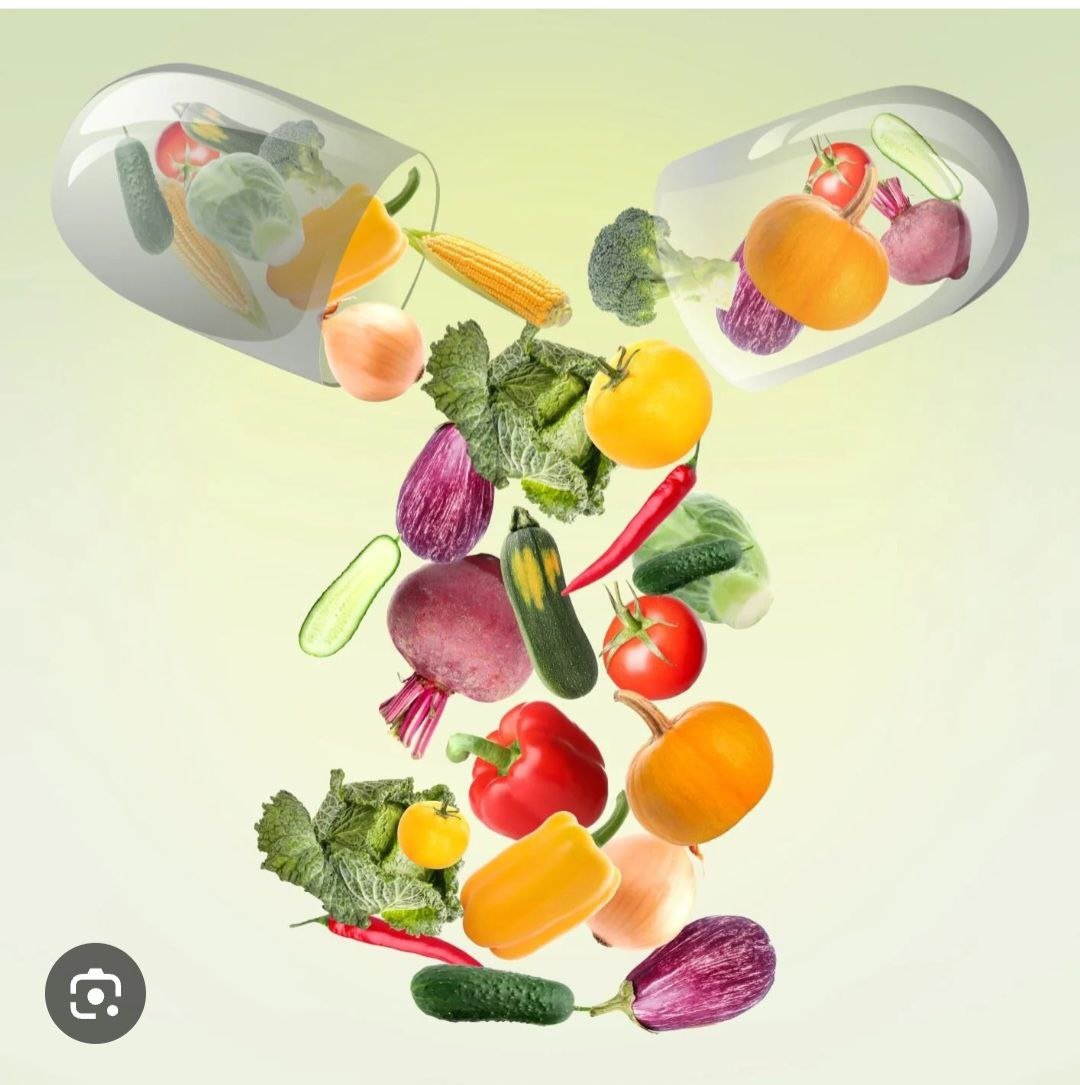
Vitamins: Found in fruits, vegetables, dairy, meat, and sunlight (Vitamin D).
Minerals: Obtained from soil/water through plant absorption or animal products (e.g., calcium in dairy, iron in red meat).
- Classification
Vitamins:
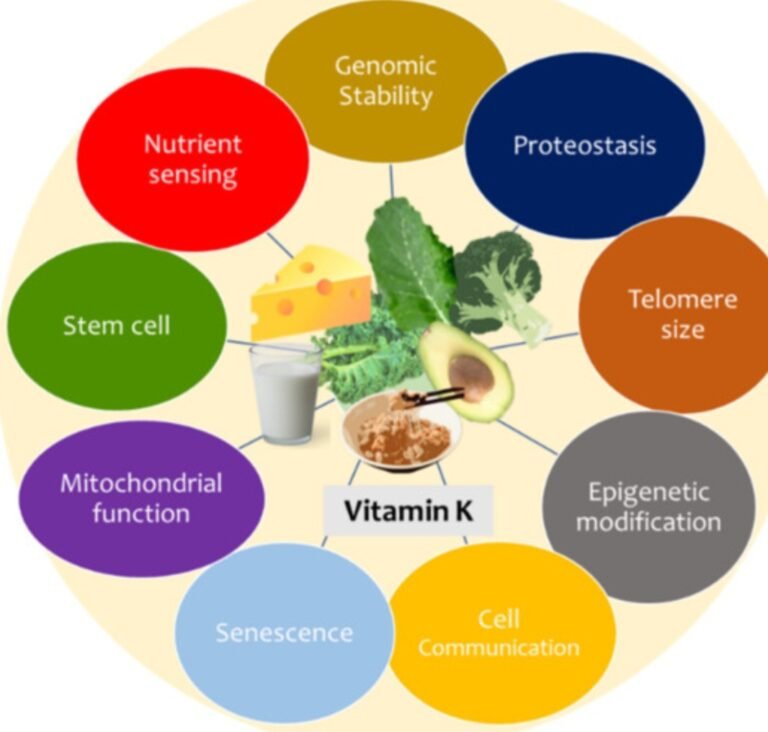
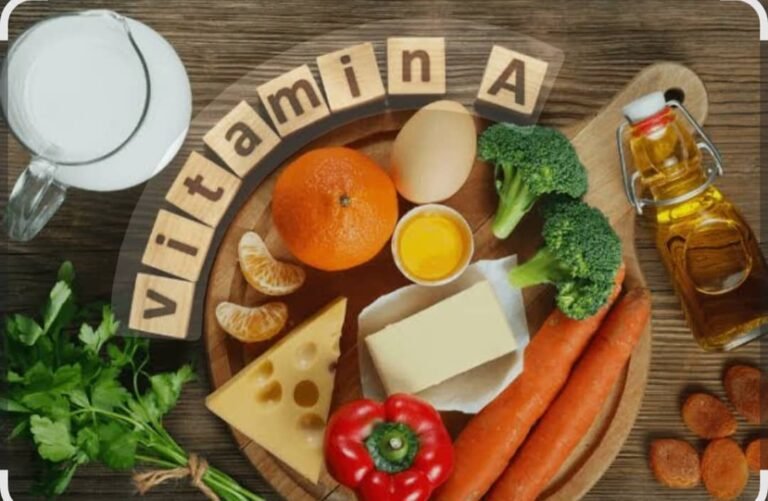
Fat-soluble (A, D, E, K): Stored in body fat; excess can cause toxicity.
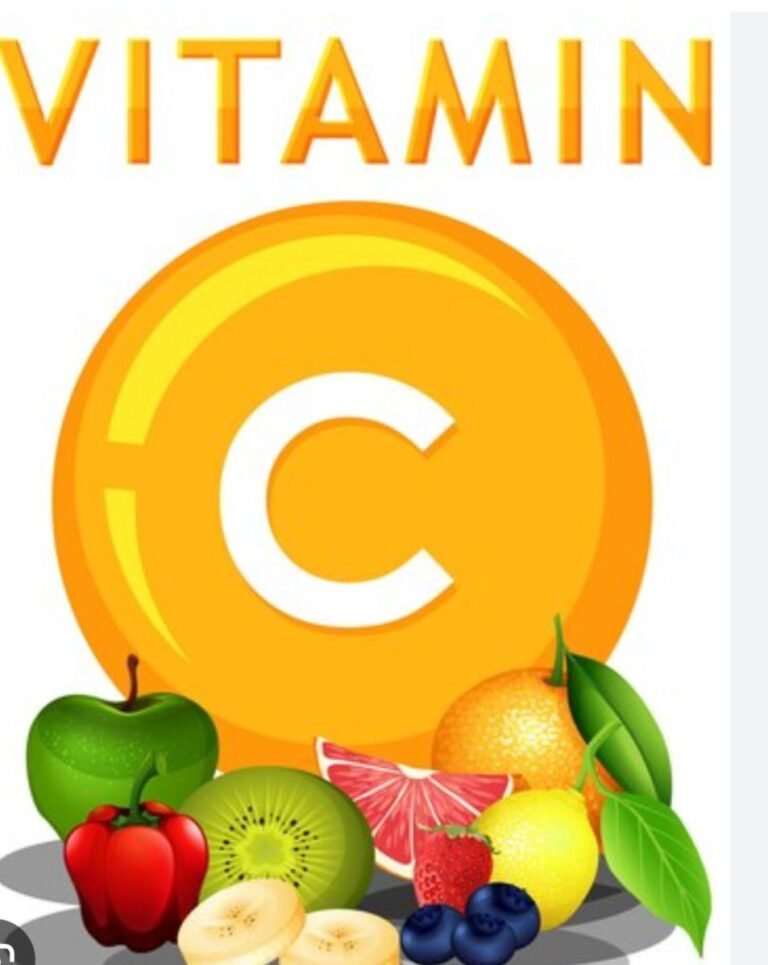
Water-soluble (B-complex, C): Not stored; excess excreted in urine.
Minerals:
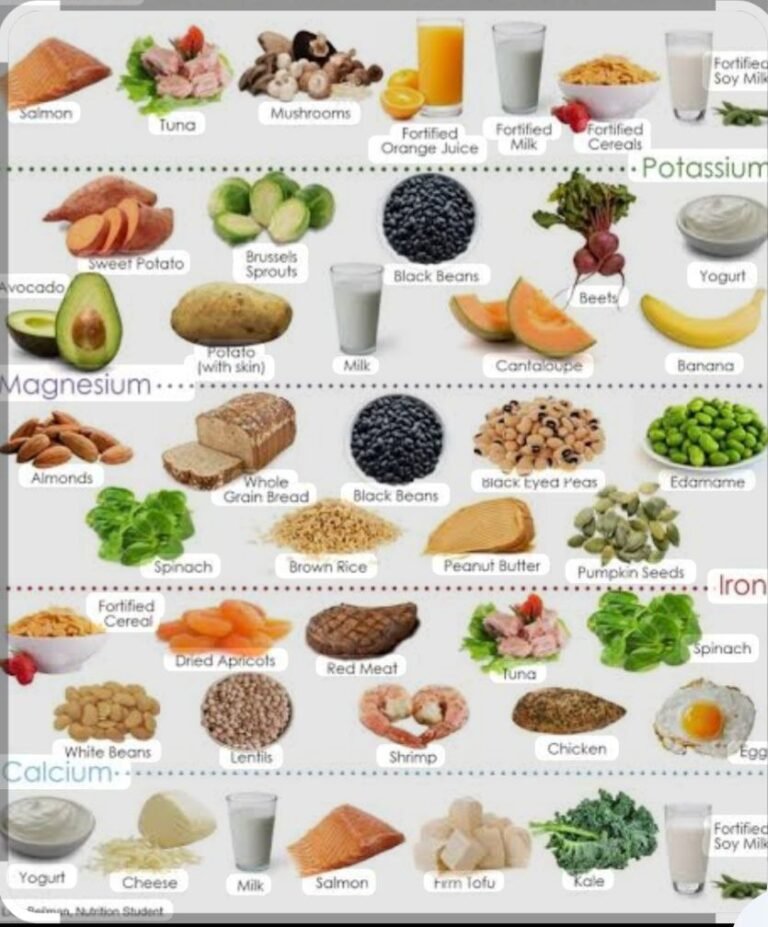
Macrominerals: Needed in larger amounts (e.g., calcium, potassium, magnesium).
Trace minerals: Needed in smaller amounts (e.g., iron, zinc, iodine).
- Function
Vitamins: Act as coenzymes, antioxidants, or hormones (e.g., Vitamin C boosts immunity, Vitamin D regulates calcium absorption).
Minerals: Support structural roles (e.g., calcium in bones, iron in hemoglobin) and electrolyte balance (e.g., sodium, potassium).
- Stability
Vitamins: Can be destroyed by heat, light, or air during cooking/storage.
Minerals: More stable; remain intact during cooking but can leach into water.
- Storage
Vitamins: Fat-soluble vitamins are stored in the liver and fatty tissues.
Minerals: Stored in bones, muscles, and organs (e.g., calcium in bones, iron in the liver).
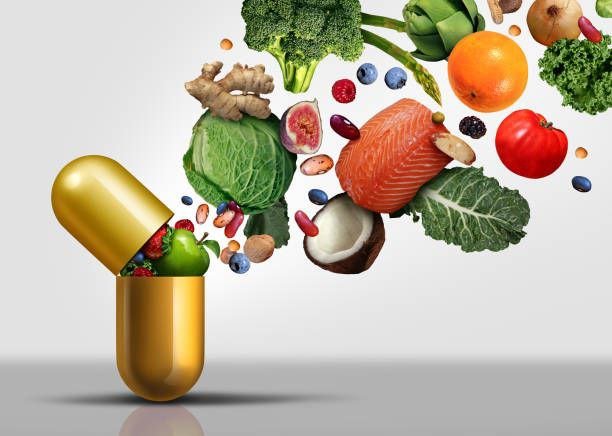
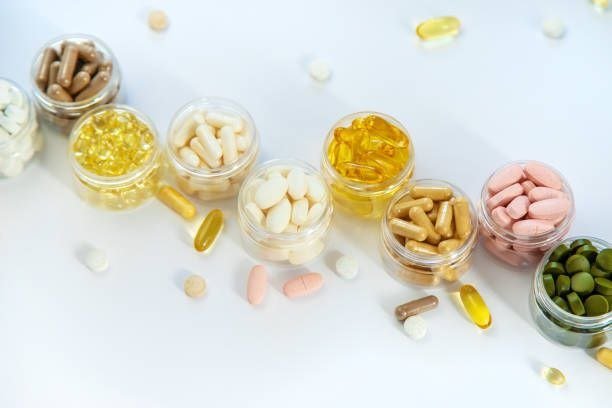
vitamins are very important to our body and they plays role for health and grouth of our body
Toxicity risk
Vitamins: Overconsumption of fat-soluble vitamins (A, D, E, K) can lead to toxicity.
Minerals: Excess intake (e.g., sodium, iron) can cause imbalances or organ damage
.
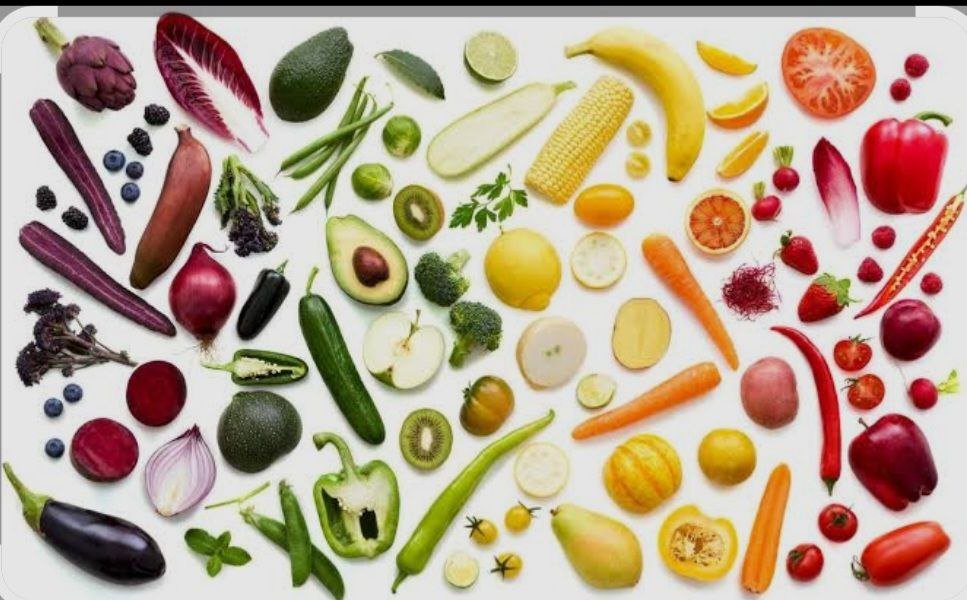
Examples
Vitamins: Vitamin A (vision), B12 (energy), C (collagen), D (bone health).
Minerals: Calcium (bones), Iron (oxygen transport), Potassium (nerve function), Zinc (immune support).
In summary, vitamins are organic and often assist in metabolic processes, while minerals are inorganic and crucial for structural and regulatory functions. Both are vital for health but differ in origin, roles, and storage