Vitamin A

Vitamin A is a fat-soluble vitamin essential for various bodily functions, including:

Vision: It is crucial for maintaining healthy vision, particularly in low-light conditions.
Immune Function: Vitamin A supports the immune system by promoting the function of white blood cells.
Cell Growth: This vitamin plays a key role in cell growth and differentiation, making it important for skin health and reproductive processes.
Antioxidant Properties: Some forms of vitamin A act as antioxidants, helping to protect cells from damage.

Sources of Vitamin A include:

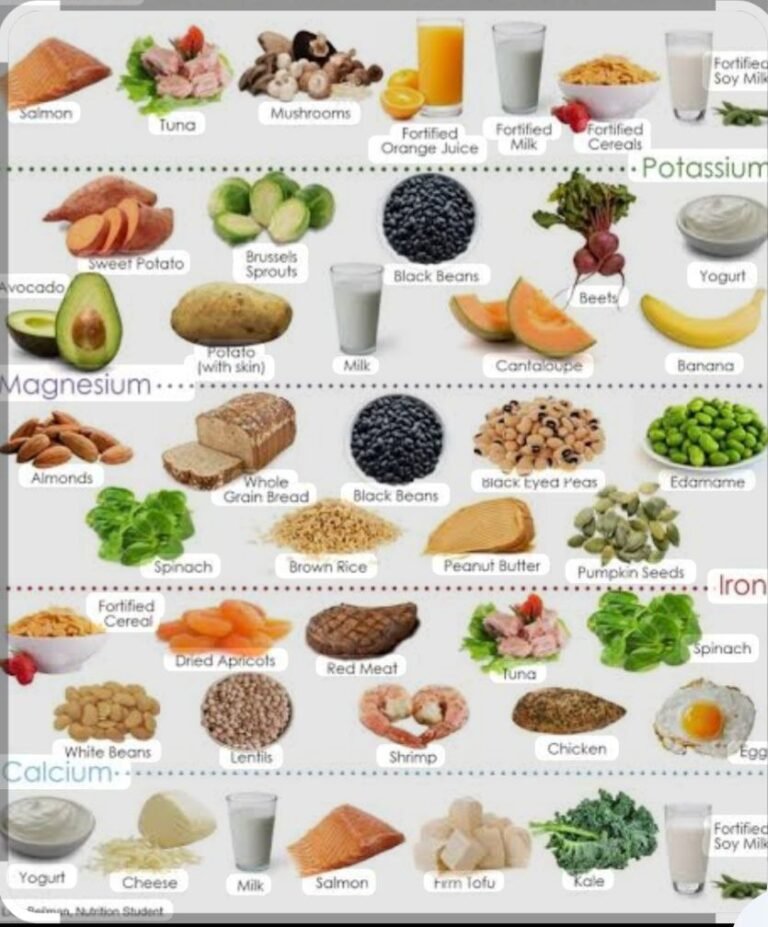
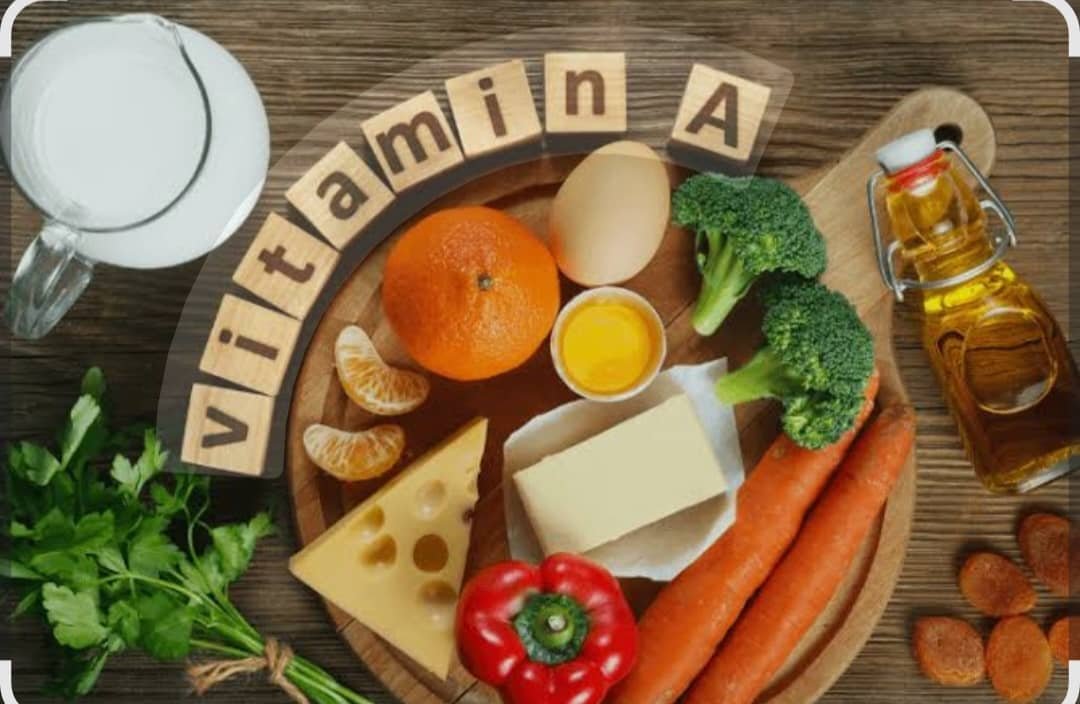
Animal Products: Liver, fish, dairy products, and eggs are rich sources.
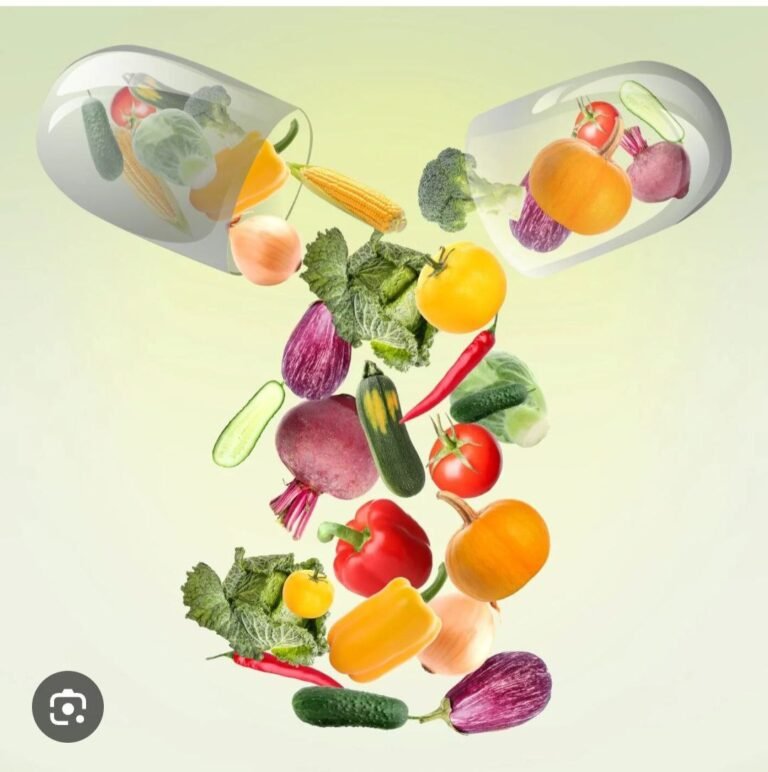
Plant-Based Sources: Fruits and vegetables that are high in beta-carotene, such as carrots, sweet potatoes, spinach, and kale.
Similar Posts

  • | |

    types of vitamins

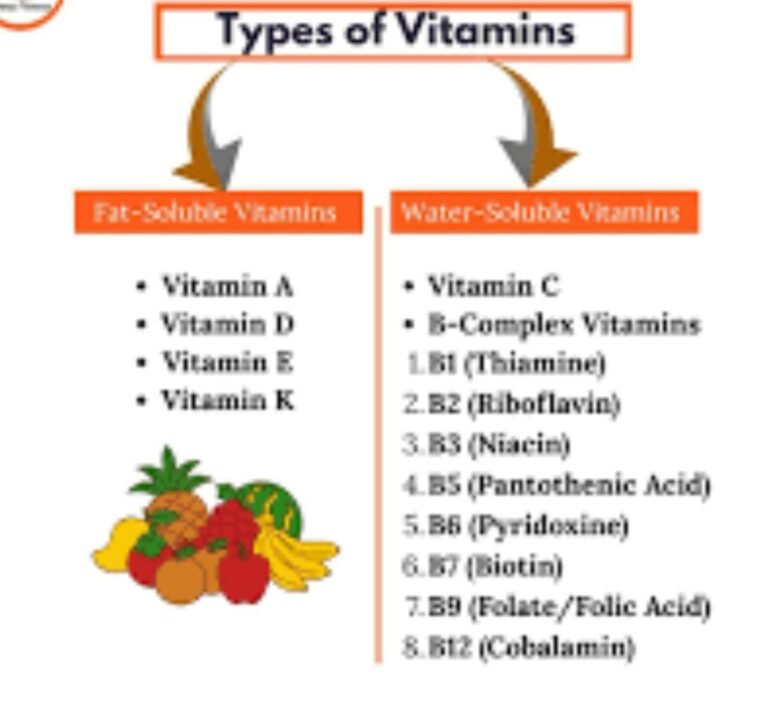
    Vitamins are essential organic compounds that the body needs in small amounts for various functions. They are classified into two main categories: water-soluble and fat-soluble vitamins Water-Soluble Vitamins: Vitamin B1 (Thiamine): Important for energy metabolism and nerve function.Vitamin B2 (Riboflavin): Involved in energy production and cellular function.Vitamin B3 (Niacin): Supports metabolism and DNA repair.Vitamin B5…

  • | |

    vitamin D

    Vitamin D is a fat-soluble vitamin that helps your body absorb calcium and phosphorus, which are essential for strong bones and teeth. It also plays important roles in muscle function, immune health, and inflammation control here are some key function of vitamin D: Bone Health: It helps regulate calcium levels in the body, promoting calcium…

  • protein

    Protein is a crucial macronutrient and one of the fundamental building blocks of life. Here’s a straightforward explanation: What is Protein? Building and Repairing Tissues: They help build muscles, skin, hair, nails, and organs.Enzymes and Catalysts: Many proteins act as enzymes, speeding up chemical reactions in the body (e.g., digesting food).Hormones and Signaling: Proteins like…

  • copper

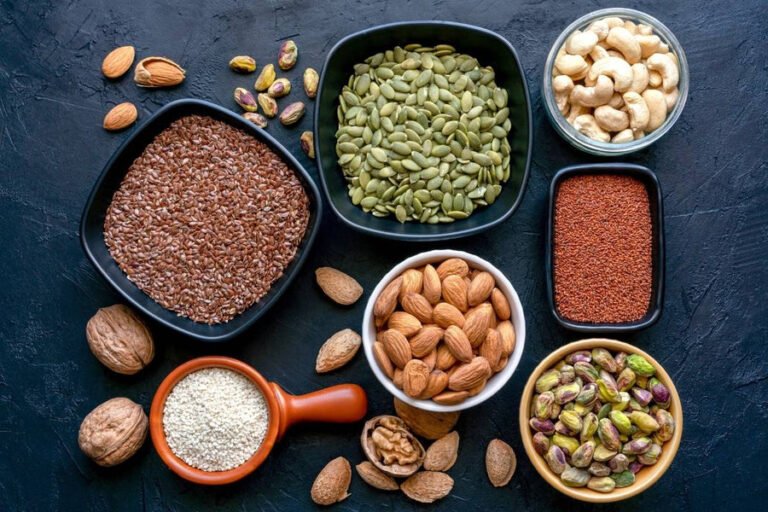
    A chemical element (symbol Cu)Naturally found in the earth and in many foodsWhy your body needs itCopper plays several quiet but vital roles:Helps form red blood cellsSupports the immune systemAids brain and nerve functionHelps the body use ironContributes to healthy skin, hair, and connective tissueFood sourcesYou can get copper from:Nuts (like almonds and peanuts)SeedsLiver (very…

  • Difference between vitamis and minerals

    Vitamins and minerals are both essential nutrients required for various bodily functions, but they differ in several key ways: Vitamins: Organic compounds (contain carbon) produced by living organisms (plants, animals).Minerals: Inorganic elements (do not contain carbon) originating from soil, water, or rocks, absorbed by plants and consumed by animals. Vitamins: Found in fruits, vegetables, dairy,…

Leave a Reply

Your email address will not be published. Required fields are marked *