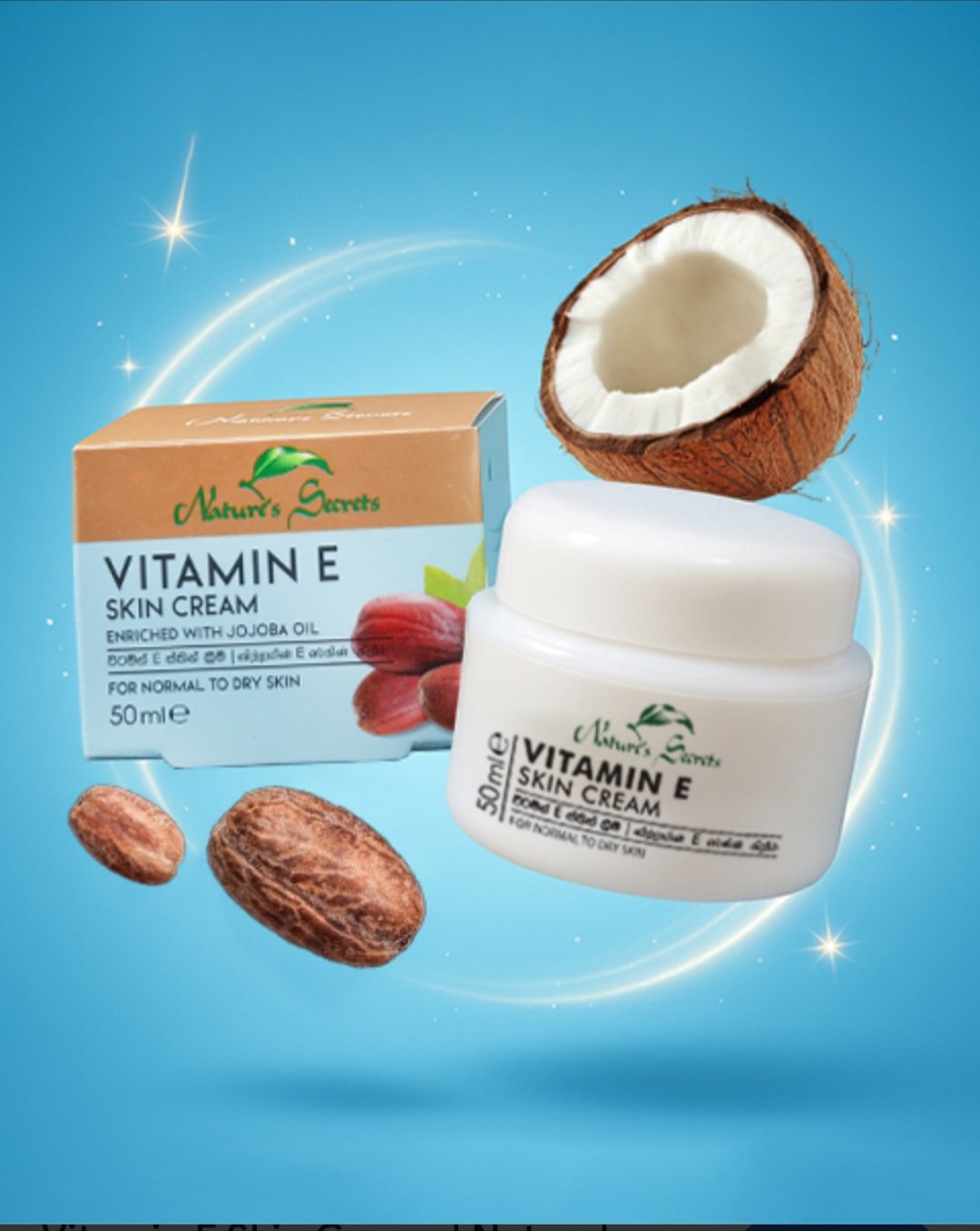
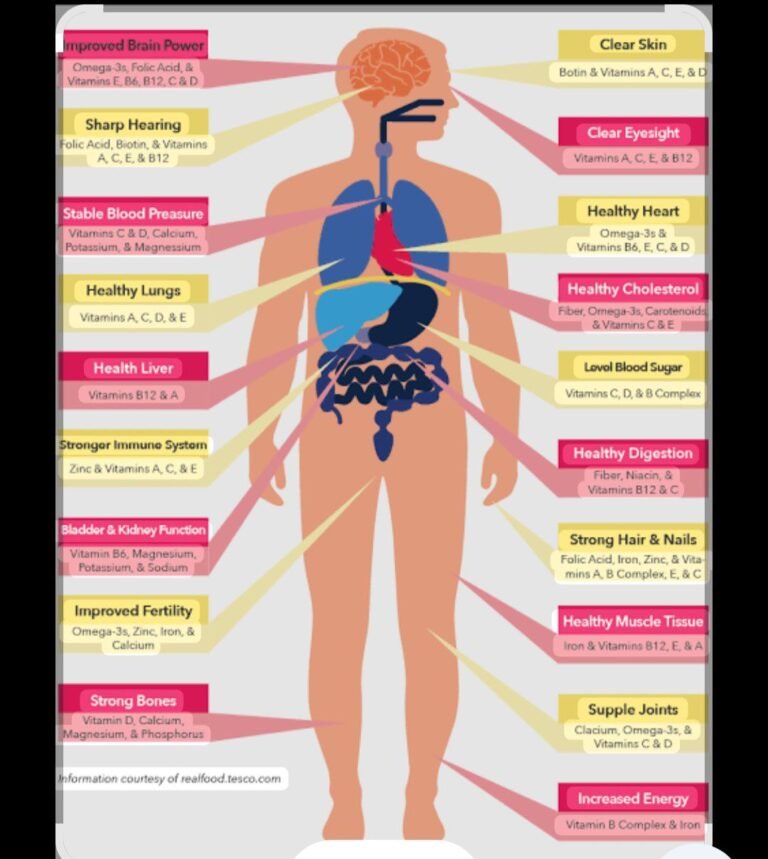
Vitamin E is a fat-soluble vitamin and antioxidant that plays a crucial role in protecting cells from oxidative damage and supporting immune function. Here’s a detailed breakdown:
Key Functions
Antioxidant Protection: Neutralizes free radicals (unstable molecules that damage cells), reducing oxidative stress linked to aging and chronic diseases (e.g., heart disease, cancer). Immune Support: Enhances immune cell activity. Skin Health: Promotes skin repair and protection against UV damage (often used in skincare products). Cellular Signaling: Involved in communication between cells.
Forms of Vitamin E
Tocopherols (alpha, beta, gamma, delta): Alpha-tocopherol is the most biologically active form in humans. Tocotrienols: Less studied but may have unique antioxidant and anti-inflammatory benefits.
Risks: Bleeding (vitamin E thins blood), interactions with blood thinners (e.g., warfarin). Symptoms: Nausea, diarrhea, headaches.
Controversies & Considerations
Heart Disease: Mixed evidence on supplements reducing risk; focus on food sources. Skin Application: Topical vitamin E may improve hydration but limited evidence for anti-aging. Cancer/Neurodegenerative Diseases: No conclusive proof of preventive benefits.
Who Might Need Supplements?
People with fat absorption issues, premature infants, or specific dietary restrictions (consult a doctor first).
Always prioritize food sources over supplements unless advised by a healthcare professional. Excessive intake can be harmful
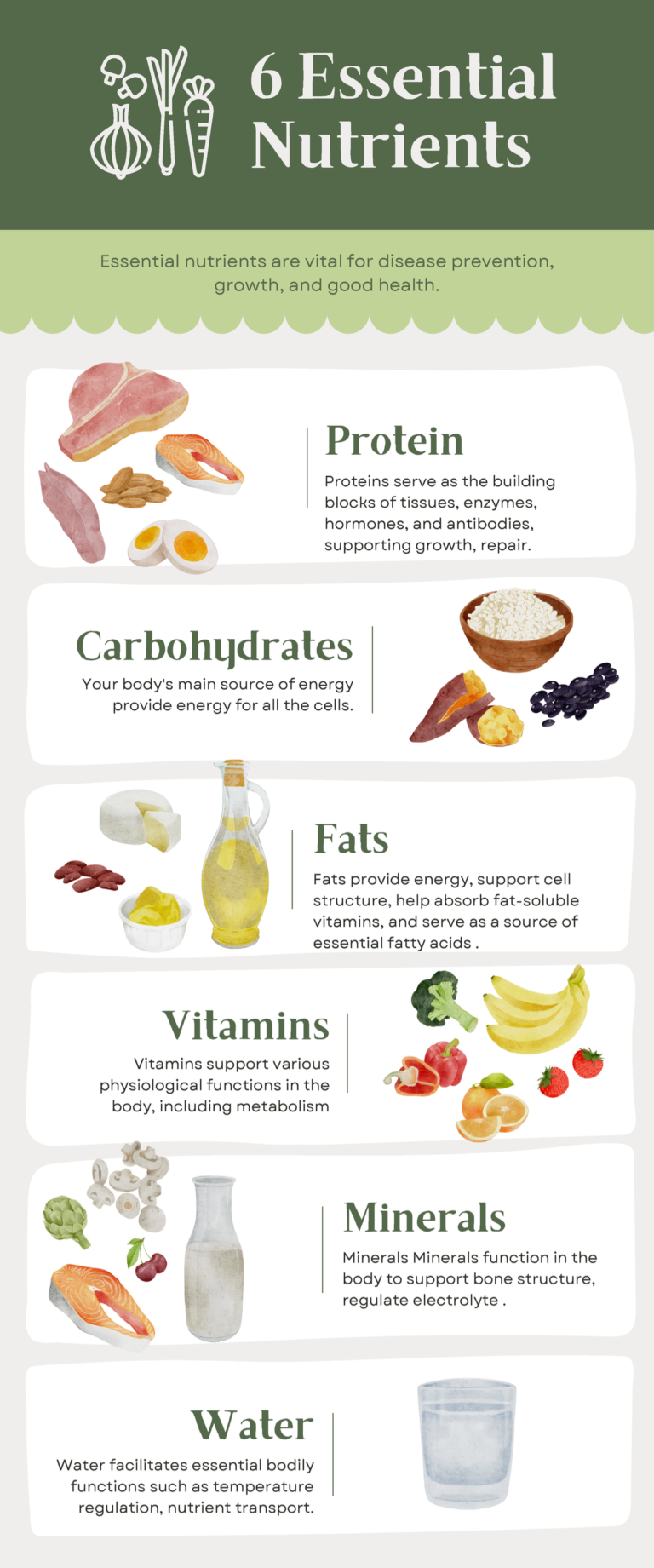
Nutrients are substances that our bodies need to function, grow, repair, and maintain health. They are broadly categorized into two main types: macronutrients (needed in larger amounts) and micronutrients (needed in smaller amounts). These provide energy (calories) and are required in relatively large quantities. Carbohydrates Function: Primary energy source, especially for the brain and muscles.Types:…
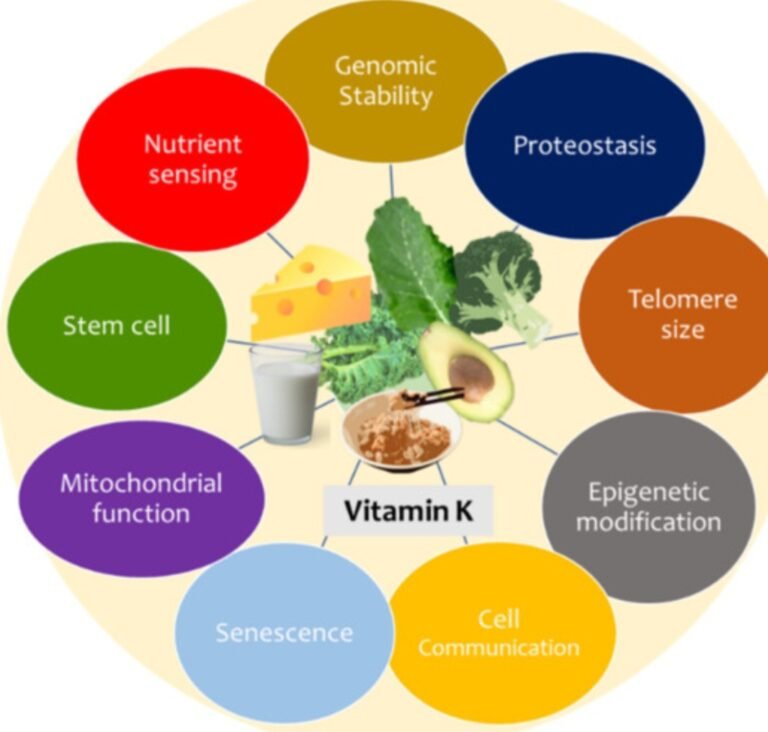
Vitamin K is a vital, fat-soluble vitamin that plays a crucial role in several bodily functions, most notably blood clotting and bone health. Here’s a breakdown of its key aspects: Types of Vitamin K: Vitamin K1 (Phylloquinone): Found primarily in plants, especially green leafy vegetables.It’s the main dietary form of vitamin K.Primarily involved in blood…
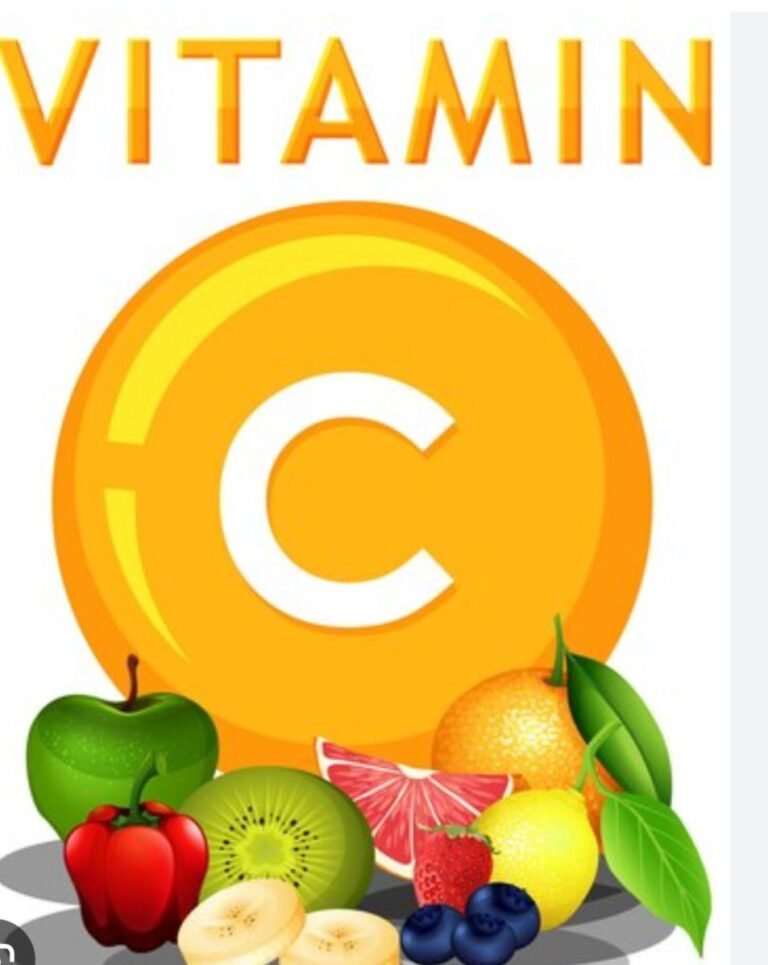
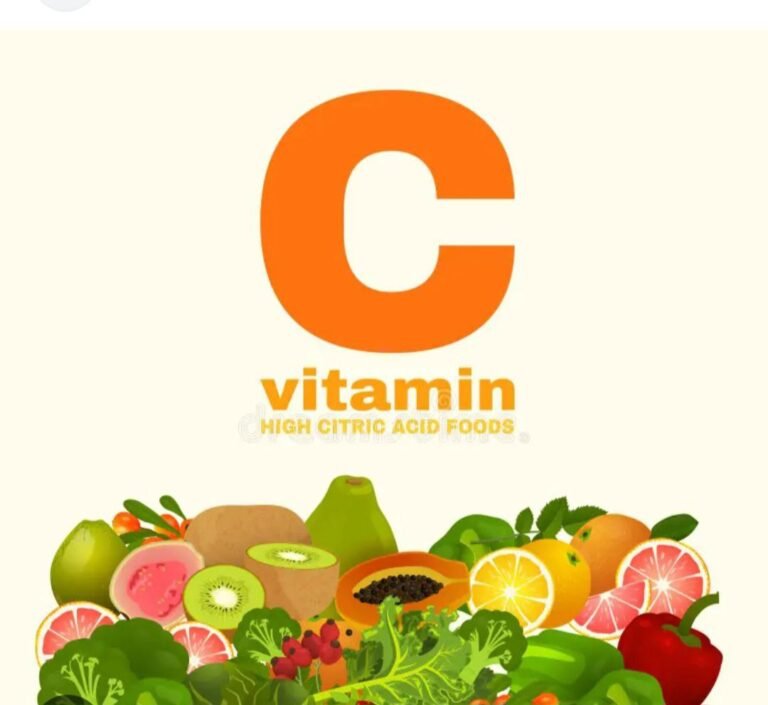
Vitamin C, also known ascorbic acid, is a water-soluble vitamin essential for various bodily functions. Some key points about Vitamin C include Function: It acts as an antioxidant, helping to protect cells from damage by free radicals. It’s also important for the synthesis of collagen, healing wounds, and boosting the immune system.Sources: Rich sources of…
Vitamin C Vitamin DBuilds strong bones and teethHelps your body use calciumComes from sunlight, milk, fishVitamin EProtects cells from damage Supports skin and immune healthFound in nuts, seeds, vegetable oils Vitamin KHelps your blood clot properlyImportant for bone healthFound in leafy green vegetablesImportant to knowMost people get enough vitamins by eating a balanced dietTaking too…
When it comes to supporting your immune system, several vitamins and minerals play key roles. Here are the most important ones: Often the first that comes to mind, vitamin C is a powerful antioxidant. · What it does: Encourages the production of white blood cells (lymphocytes and phagocytes), which help protect the body against infection….
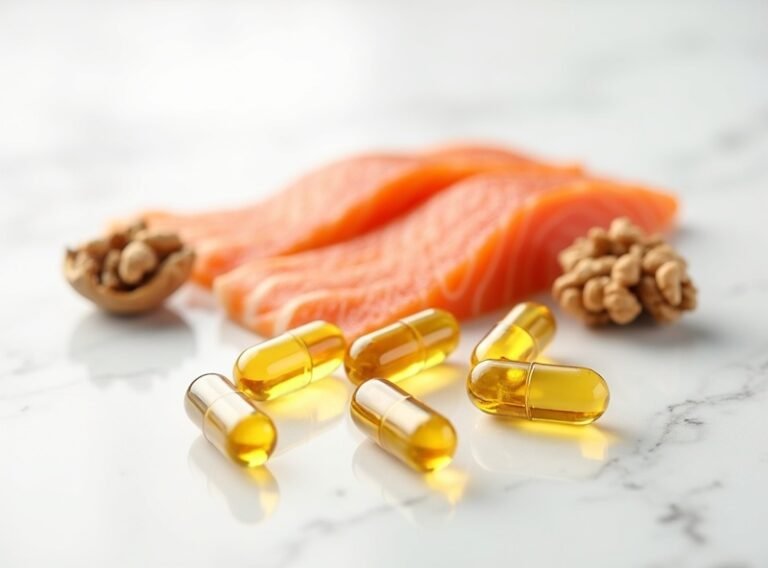
Explore the science-backed benefits of omega-3 supplements and how they support cardiovascular health, cognitive function, and reduce inflammation in the body.