Uncategorized

  • fats and its type

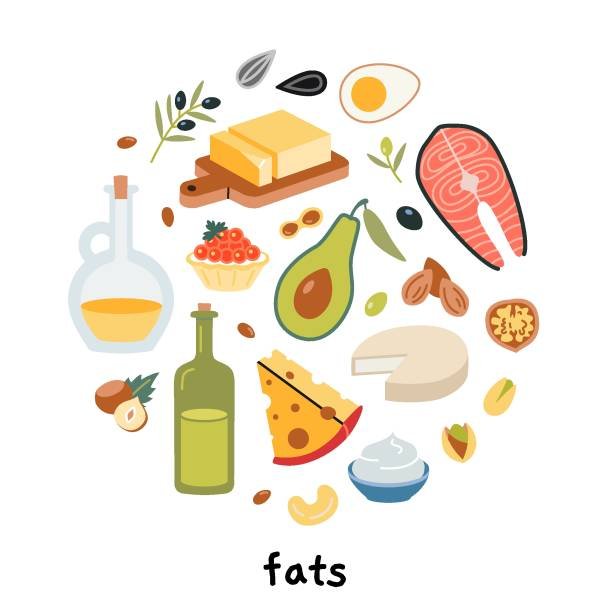
    Fats one of the three main macronutrients (alongside carbohydrates and proteins). What Are Fats? Fats, also known as lipids, are organic molecules made up of carbon, hydrogen, and oxygen. They are a concentrated source of energy (providing 9 calories per gram, more than double that of carbs or proteins) and are essential for many vital…

  • |

    Water

    Water is a clear, odorless, tasteless liquid that is essential for all known forms of life. Chemically, it consists of two hydrogen atoms bonded to one oxygen atom (H₂O). Here’s a breakdown of its key properties and importance: Formula: H₂OBonding: Covalent bonds between hydrogen and oxygen, with a bent molecular shape.Polarity: Water is polar, meaning…

  • protein

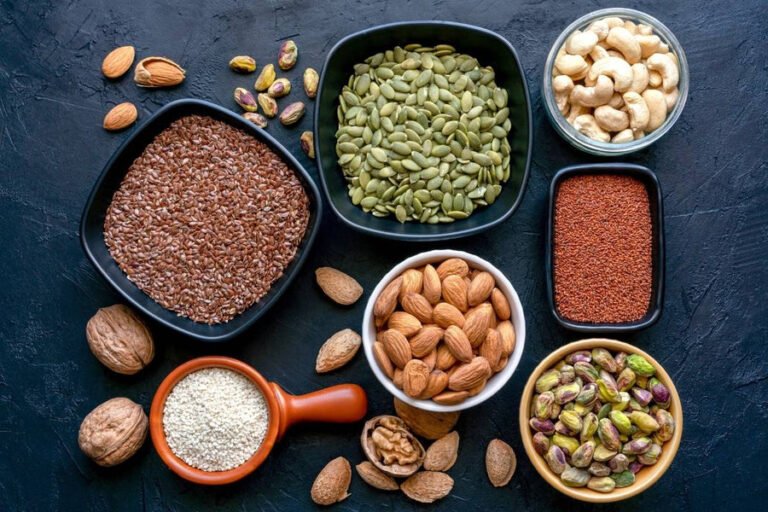
    Protein is a crucial macronutrient and one of the fundamental building blocks of life. Here’s a straightforward explanation: What is Protein? Building and Repairing Tissues: They help build muscles, skin, hair, nails, and organs.Enzymes and Catalysts: Many proteins act as enzymes, speeding up chemical reactions in the body (e.g., digesting food).Hormones and Signaling: Proteins like…

  • | |

    Vitamin k

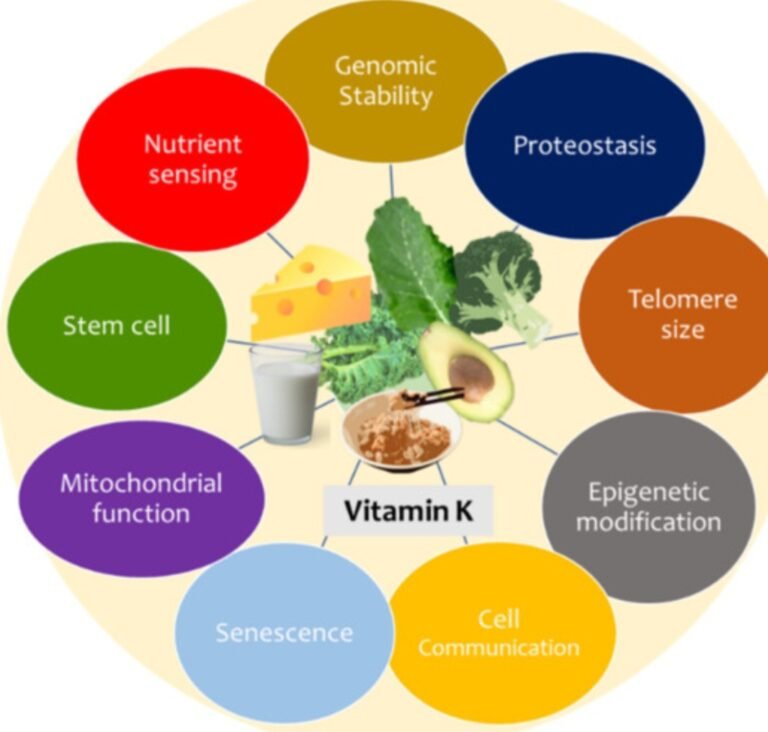
    Vitamin K is a vital, fat-soluble vitamin that plays a crucial role in several bodily functions, most notably blood clotting and bone health. Here’s a breakdown of its key aspects: Types of Vitamin K: Vitamin K1 (Phylloquinone): Found primarily in plants, especially green leafy vegetables.It’s the main dietary form of vitamin K.Primarily involved in blood…

  • | |

    vitamin D

    Vitamin D is a fat-soluble vitamin that helps your body absorb calcium and phosphorus, which are essential for strong bones and teeth. It also plays important roles in muscle function, immune health, and inflammation control here are some key function of vitamin D: Bone Health: It helps regulate calcium levels in the body, promoting calcium…

  • Vitamin A

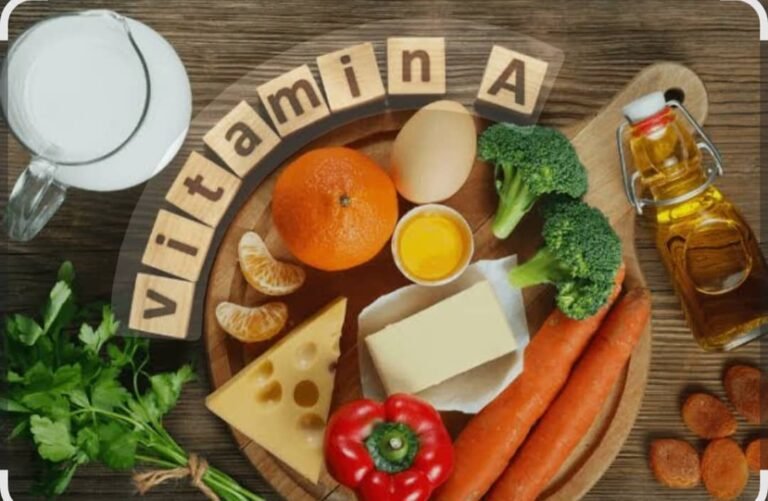
    Vitamin A is a fat-soluble vitamin essential for various bodily functions, including: Vision: It is crucial for maintaining healthy vision, particularly in low-light conditions.Immune Function: Vitamin A supports the immune system by promoting the function of white blood cells.Cell Growth: This vitamin plays a key role in cell growth and differentiation, making it important for…

  • | | |

    VitaminC

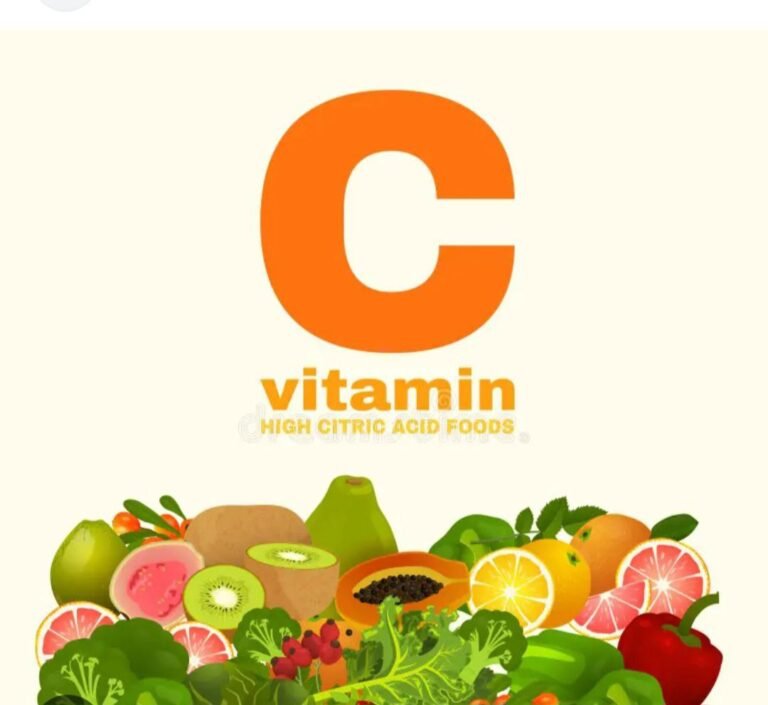
    Vitamin C, also known ascorbic acid, is a water-soluble vitamin essential for various bodily functions. Some key points about Vitamin C include Function: It acts as an antioxidant, helping to protect cells from damage by free radicals. It’s also important for the synthesis of collagen, healing wounds, and boosting the immune system.Sources: Rich sources of…

  • | |

    types of vitamins

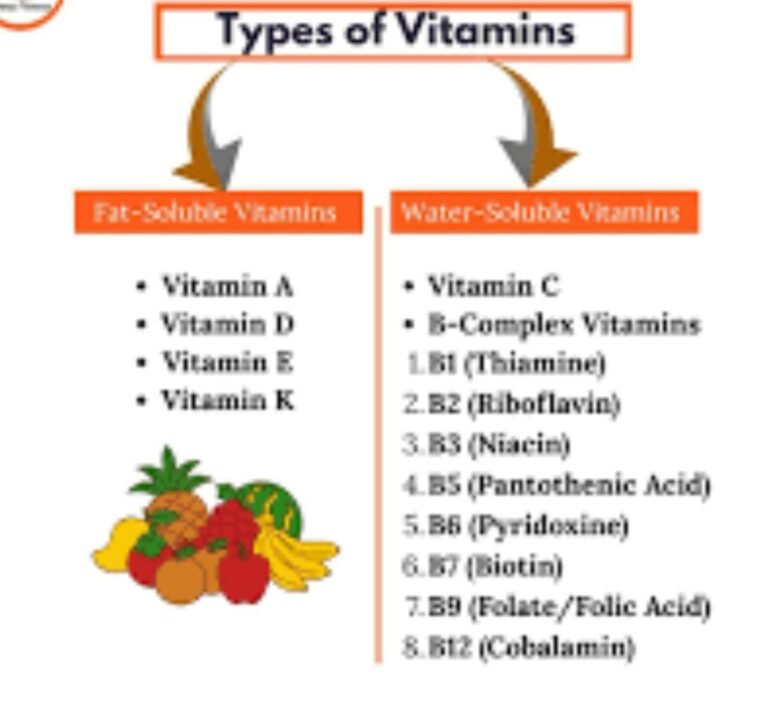
    Vitamins are essential organic compounds that the body needs in small amounts for various functions. They are classified into two main categories: water-soluble and fat-soluble vitamins Water-Soluble Vitamins: Vitamin B1 (Thiamine): Important for energy metabolism and nerve function.Vitamin B2 (Riboflavin): Involved in energy production and cellular function.Vitamin B3 (Niacin): Supports metabolism and DNA repair.Vitamin B5…