-
-
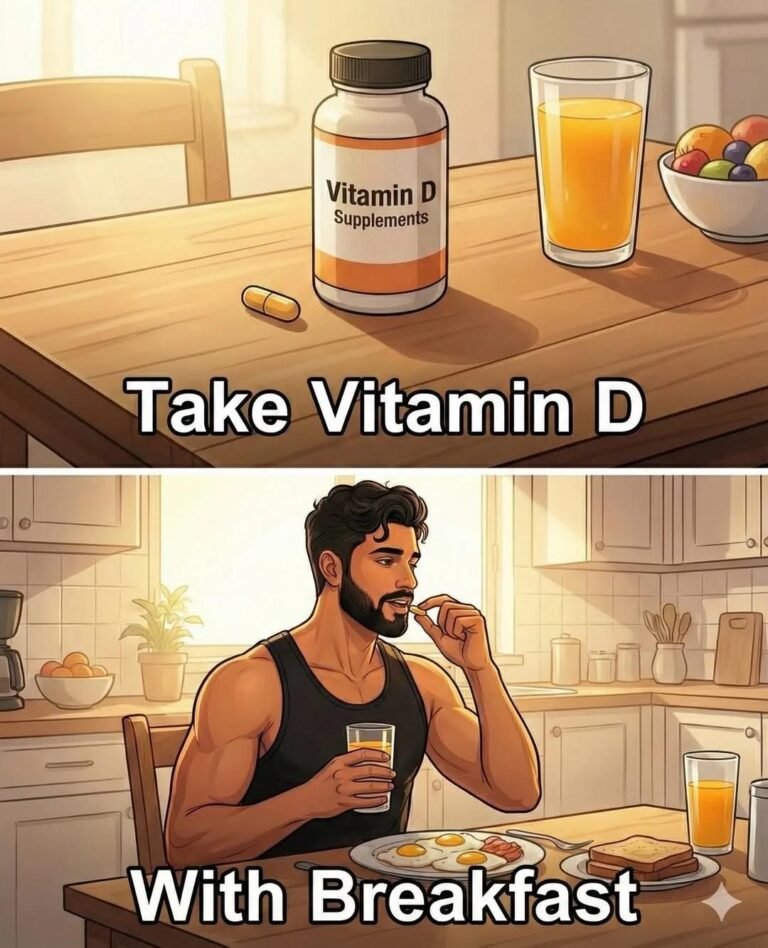
vitamin D
Vitamin D is a fat-soluble vitamin that helps your body absorb calcium and phosphorus, which are essential for strong bones and teeth. It also plays important roles in muscle function, immune health, and inflammation control here are some key function of vitamin D: Bone Health: It helps regulate calcium levels in the body, promoting calcium…
-
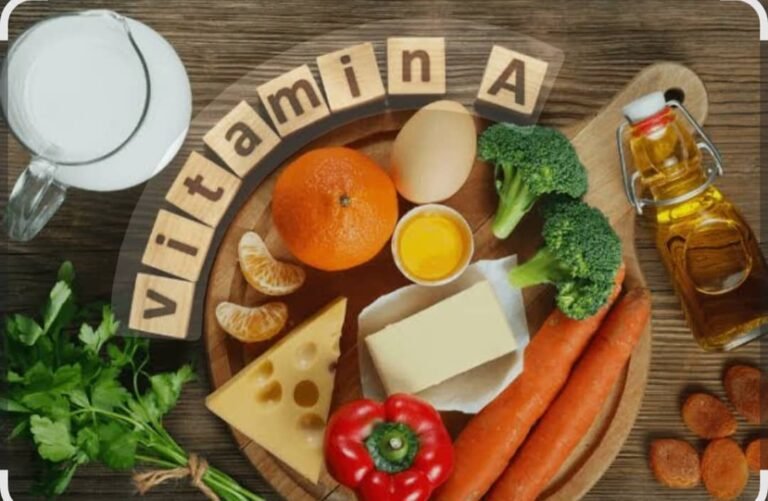
Vitamin A
Vitamin A is a fat-soluble vitamin essential for various bodily functions, including: Vision: It is crucial for maintaining healthy vision, particularly in low-light conditions.Immune Function: Vitamin A supports the immune system by promoting the function of white blood cells.Cell Growth: This vitamin plays a key role in cell growth and differentiation, making it important for…
-
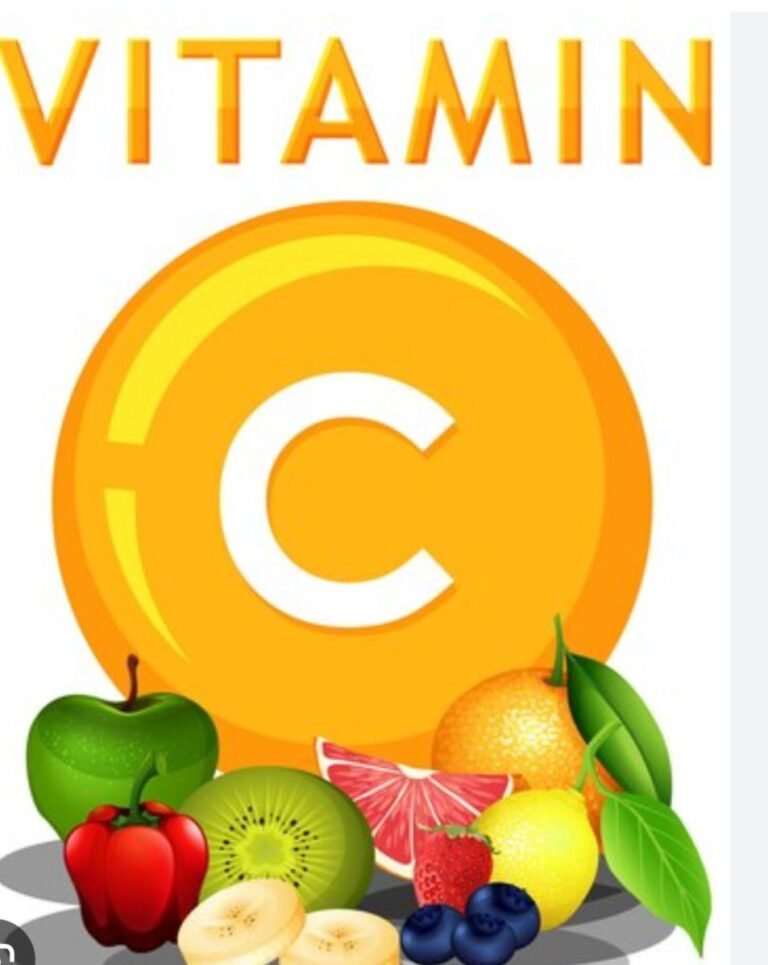
VitaminC
Vitamin C, also known ascorbic acid, is a water-soluble vitamin essential for various bodily functions. Some key points about Vitamin C include Function: It acts as an antioxidant, helping to protect cells from damage by free radicals. It’s also important for the synthesis of collagen, healing wounds, and boosting the immune system.Sources: Rich sources of…
-
types of vitamins
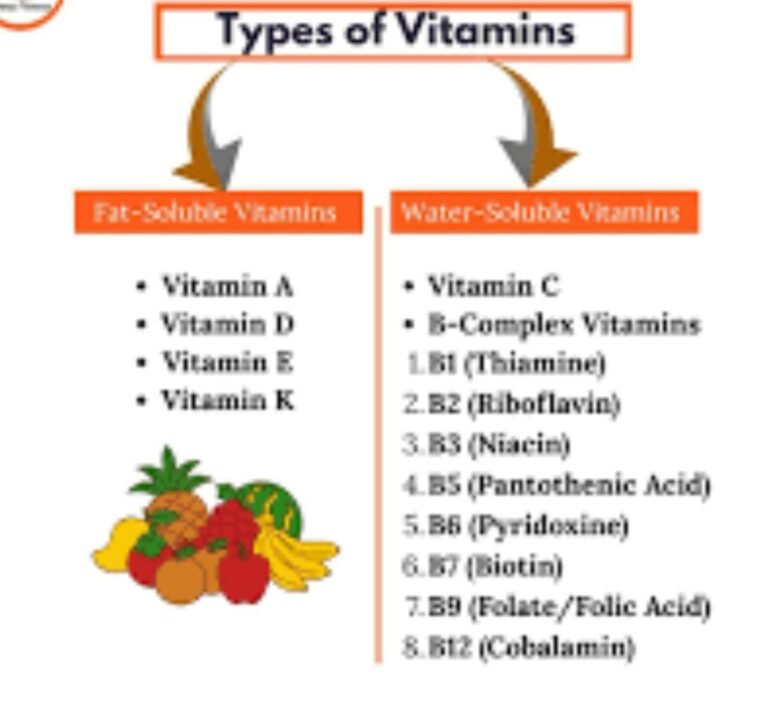
Vitamins are essential organic compounds that the body needs in small amounts for various functions. They are classified into two main categories: water-soluble and fat-soluble vitamins Water-Soluble Vitamins: Vitamin B1 (Thiamine): Important for energy metabolism and nerve function.Vitamin B2 (Riboflavin): Involved in energy production and cellular function.Vitamin B3 (Niacin): Supports metabolism and DNA repair.Vitamin B5…
-
how vitamins and minerlas work to gether
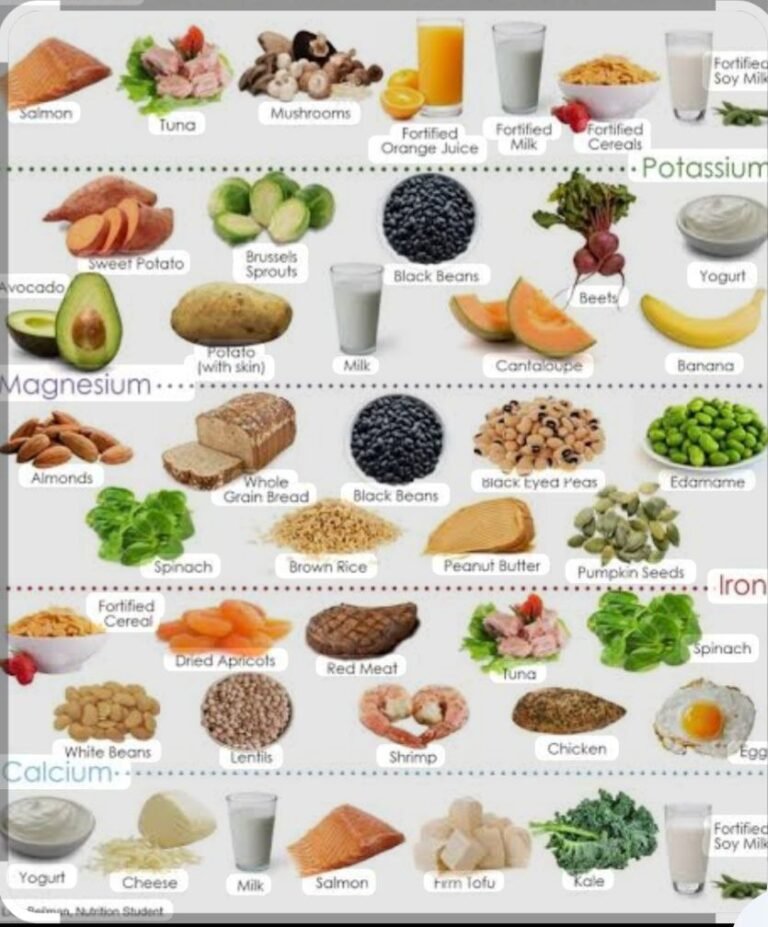
Vitamins and minerals work together synergistically to support essential bodily functions, often relying on each other for absorption, activation, or effectiveness
-
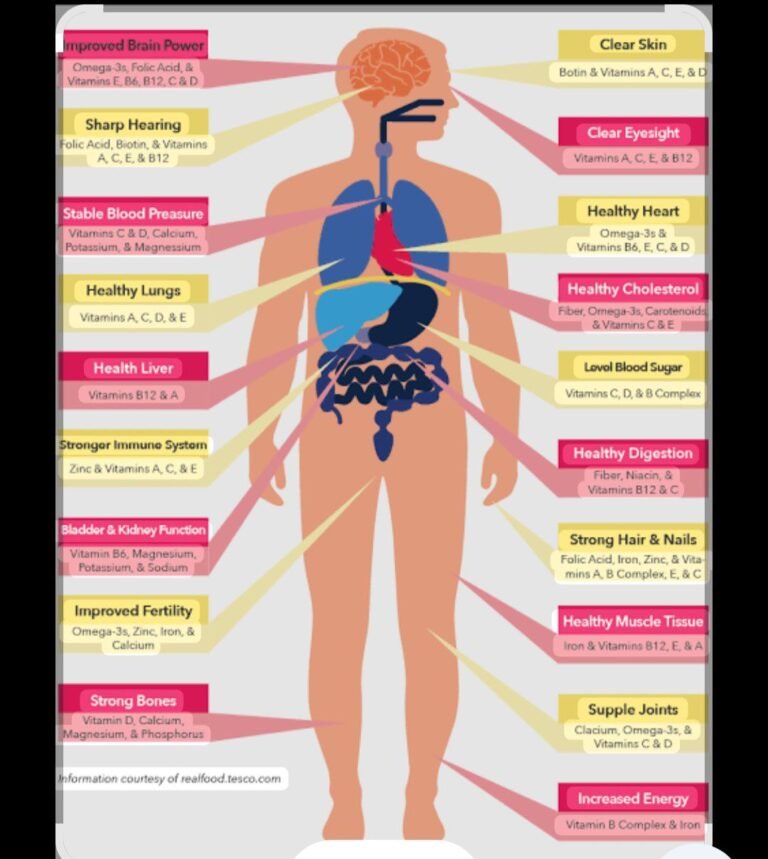
what vitamins does to the body
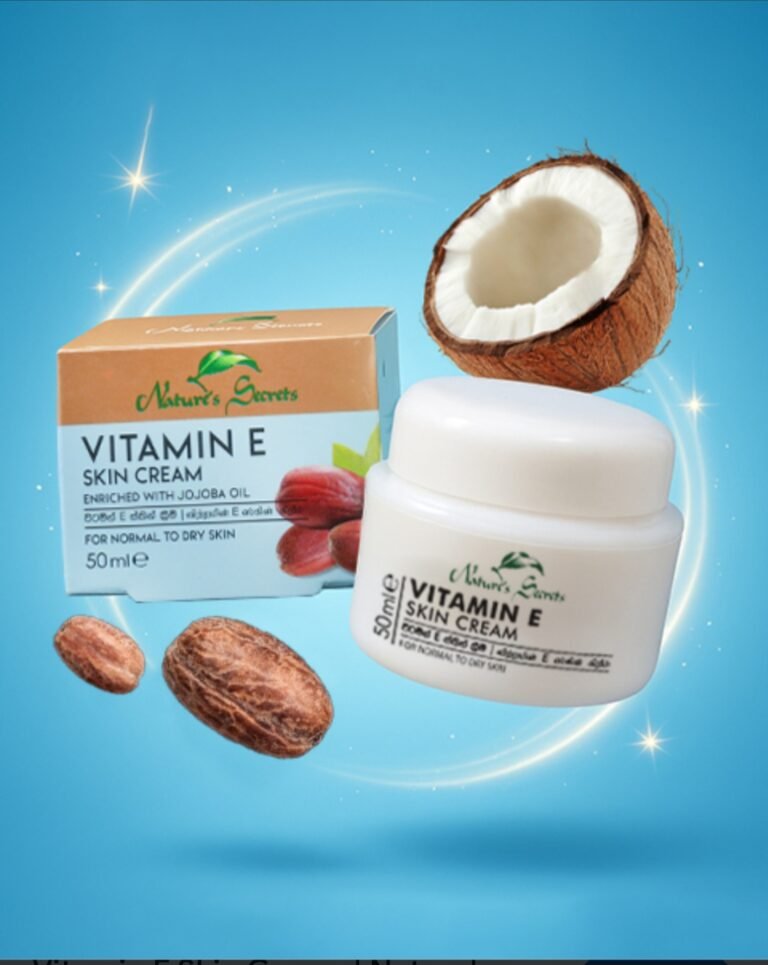
Vitamin C Vitamin DBuilds strong bones and teethHelps your body use calciumComes from sunlight, milk, fishVitamin EProtects cells from damage Supports skin and immune healthFound in nuts, seeds, vegetable oils Vitamin KHelps your blood clot properlyImportant for bone healthFound in leafy green vegetablesImportant to knowMost people get enough vitamins by eating a balanced dietTaking too…
-
Difference between vitamis and minerals
Vitamins and minerals are both essential nutrients required for various bodily functions, but they differ in several key ways: Vitamins: Organic compounds (contain carbon) produced by living organisms (plants, animals).Minerals: Inorganic elements (do not contain carbon) originating from soil, water, or rocks, absorbed by plants and consumed by animals. Vitamins: Found in fruits, vegetables, dairy,…
-
Probiotics 101: Gut Health and Beyond
Dive into the world of probiotics and learn how these beneficial bacteria support digestive health, immunity, and even mental wellness through the gut-brain connection.
-
Collagen Supplements: Skin, Joints, and More
Discover the benefits of collagen supplementation for skin elasticity, joint health, and overall aging. Learn about different types and how to choose the right one.