Wellness

  • |

    Water

    Water is a clear, odorless, tasteless liquid that is essential for all known forms of life. Chemically, it consists of two hydrogen atoms bonded to one oxygen atom (H₂O). Here’s a breakdown of its key properties and importance: Formula: H₂OBonding: Covalent bonds between hydrogen and oxygen, with a bent molecular shape.Polarity: Water is polar, meaning…

  • |

    Types of nutrients

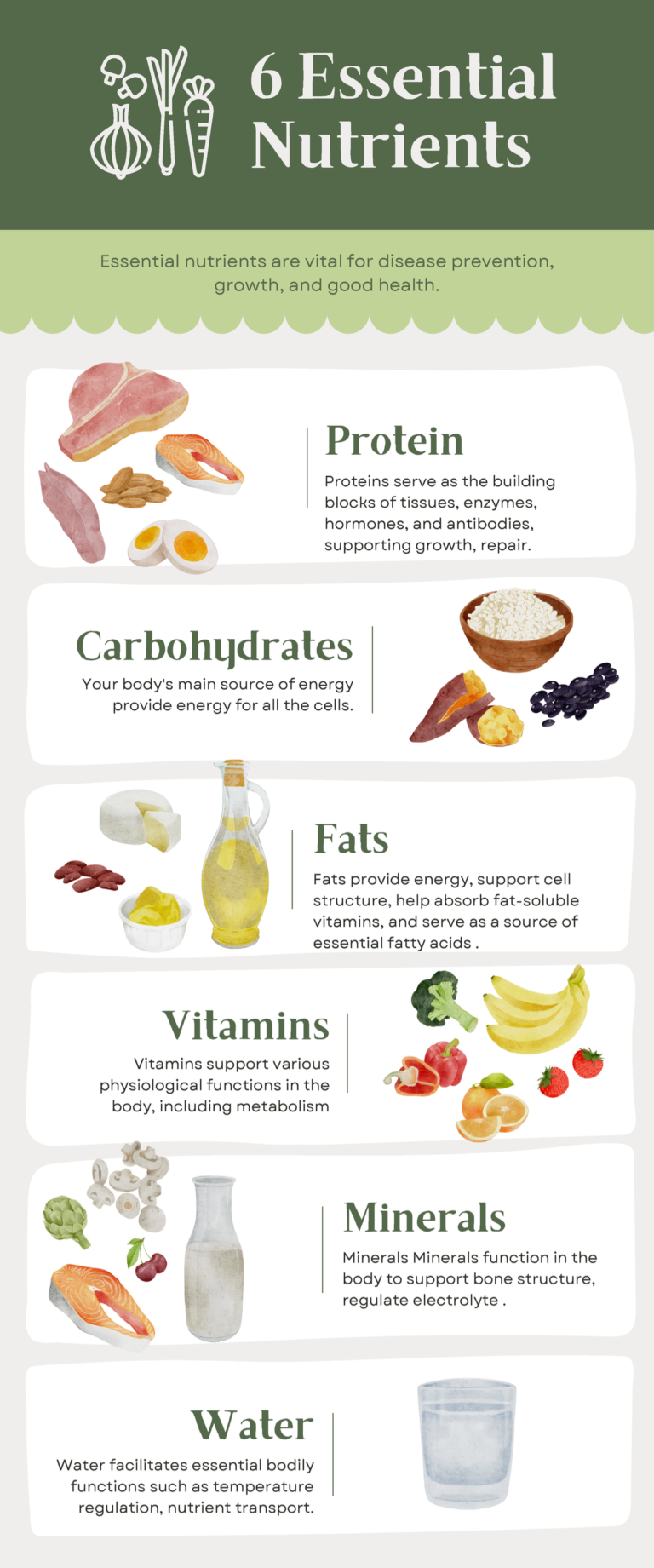
    Nutrients are substances that our bodies need to function, grow, repair, and maintain health. They are broadly categorized into two main types: macronutrients (needed in larger amounts) and micronutrients (needed in smaller amounts). These provide energy (calories) and are required in relatively large quantities. Carbohydrates Function: Primary energy source, especially for the brain and muscles.Types:…

  • | |

    Folic acid

    Folic acid is the synthetic (human-made) form of vitamin B9, also known as folate. It is an essential water-soluble vitamin that the body needs for numerous important functions. Key Roles of Folic Acid/Folate DNA Synthesis and Repair Crucial for cell division and growth, especially during periods of rapid growth like pregnancy and infancy.Red Blood Cell…

  • |

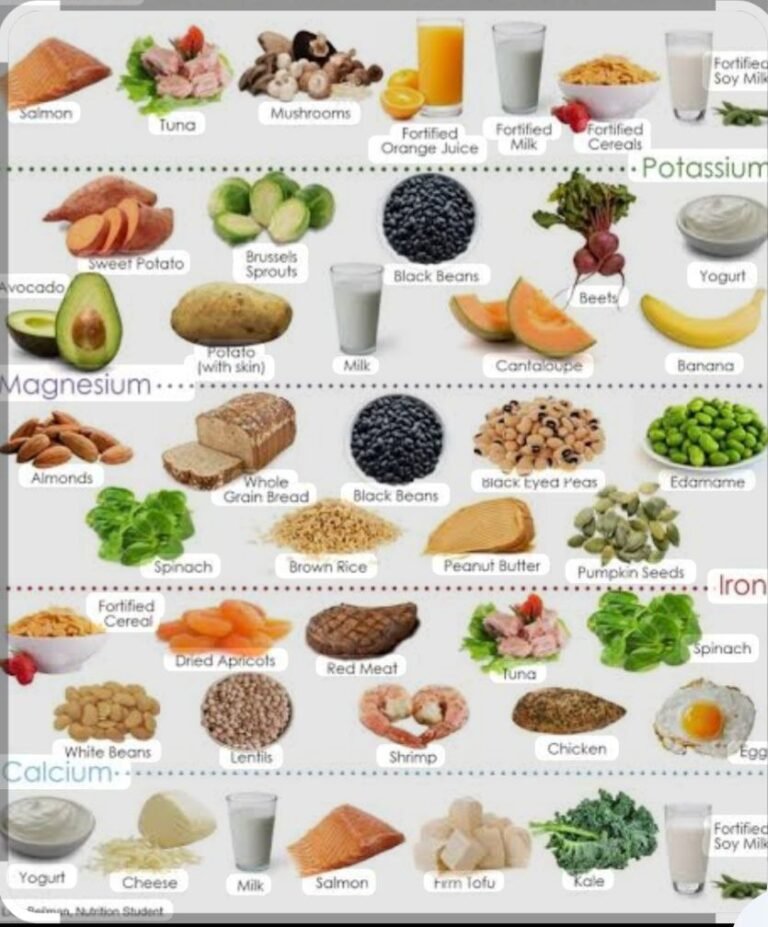
    Magnesium and its type

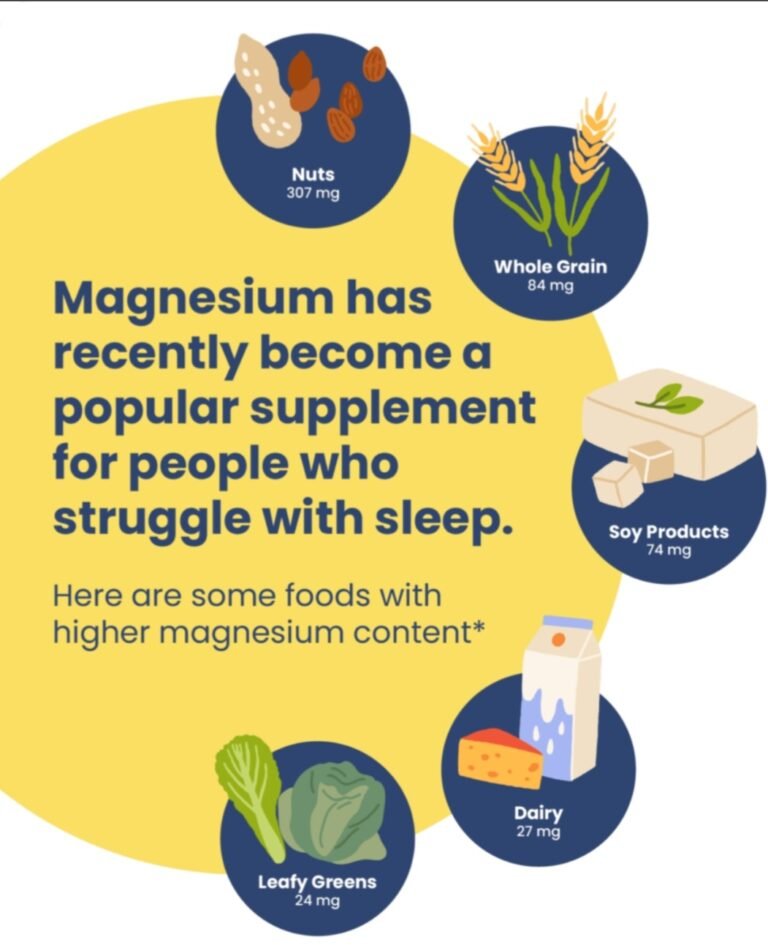
    Magnesium supplements are widely used to address deficiencies or support specific health goals. Here’s a concise guide: Common Magnesium Supplement Forms: | Type            | Absorption | Uses/Benefits                          ||———————-|—————-|——————————————–|| Magnesium Citrate | High           | Constipation relief, general deficiency.   || Magnesium Glycinate | High       | Anxiety, sleep support, muscle relaxation. || Magnesium Oxide   | Low            | Budget-friendly,…

  • | |

    Vitamin k

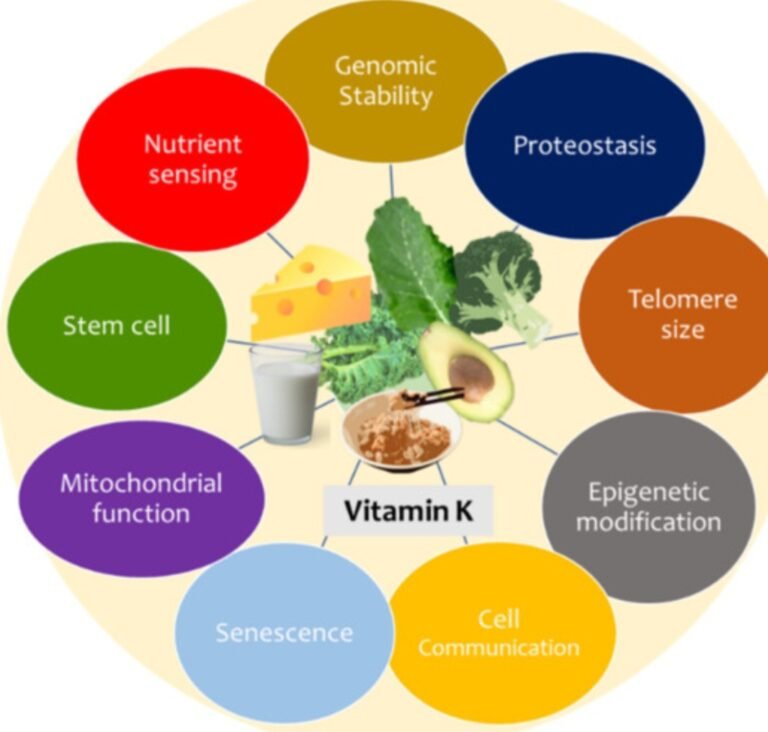
    Vitamin K is a vital, fat-soluble vitamin that plays a crucial role in several bodily functions, most notably blood clotting and bone health. Here’s a breakdown of its key aspects: Types of Vitamin K: Vitamin K1 (Phylloquinone): Found primarily in plants, especially green leafy vegetables.It’s the main dietary form of vitamin K.Primarily involved in blood…

  • | |

    B vitamins

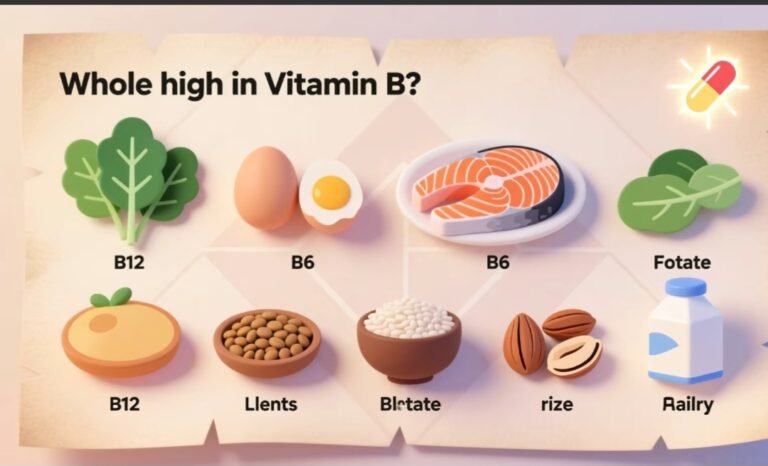
    B vitamins are a group of eight water-soluble vitamins essential for various metabolic processes, energy production, and overall health. Here’s a breakdown of each: B1 (Thiamine) Role: Converts nutrients into energy; supports nerve function.Sources: Whole grains, pork, legumes.Deficiency: Beriberi (nerve damage, fatigue), Wernicke-Korsakoff syndrome. B2 (Riboflavin) Role: Aids energy production; supports skin/eye health.Sources: Dairy, eggs,…

  • | | |

    VitaminC

    Vitamin C, also known ascorbic acid, is a water-soluble vitamin essential for various bodily functions. Some key points about Vitamin C include Function: It acts as an antioxidant, helping to protect cells from damage by free radicals. It’s also important for the synthesis of collagen, healing wounds, and boosting the immune system.Sources: Rich sources of…

  • | |

    types of vitamins

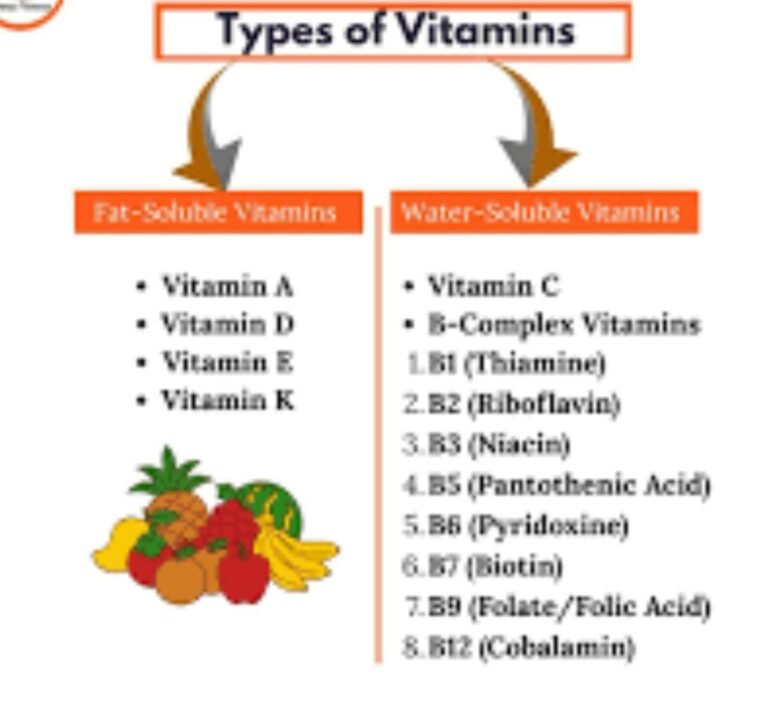
    Vitamins are essential organic compounds that the body needs in small amounts for various functions. They are classified into two main categories: water-soluble and fat-soluble vitamins Water-Soluble Vitamins: Vitamin B1 (Thiamine): Important for energy metabolism and nerve function.Vitamin B2 (Riboflavin): Involved in energy production and cellular function.Vitamin B3 (Niacin): Supports metabolism and DNA repair.Vitamin B5…