Blog

  • fats and its type

    Fats one of the three main macronutrients (alongside carbohydrates and proteins). What Are Fats? Fats, also known as lipids, are organic molecules made up of carbon, hydrogen, and oxygen. They are a concentrated source of energy (providing 9 calories per gram, more than double that of carbs or proteins) and are essential for many vital…

  • |

    Water

    Water is a clear, odorless, tasteless liquid that is essential for all known forms of life. Chemically, it consists of two hydrogen atoms bonded to one oxygen atom (H₂O). Here’s a breakdown of its key properties and importance: Formula: H₂OBonding: Covalent bonds between hydrogen and oxygen, with a bent molecular shape.Polarity: Water is polar, meaning…

  • protein

    Protein is a crucial macronutrient and one of the fundamental building blocks of life. Here’s a straightforward explanation: What is Protein? Building and Repairing Tissues: They help build muscles, skin, hair, nails, and organs.Enzymes and Catalysts: Many proteins act as enzymes, speeding up chemical reactions in the body (e.g., digesting food).Hormones and Signaling: Proteins like…

  • |

    Types of nutrients

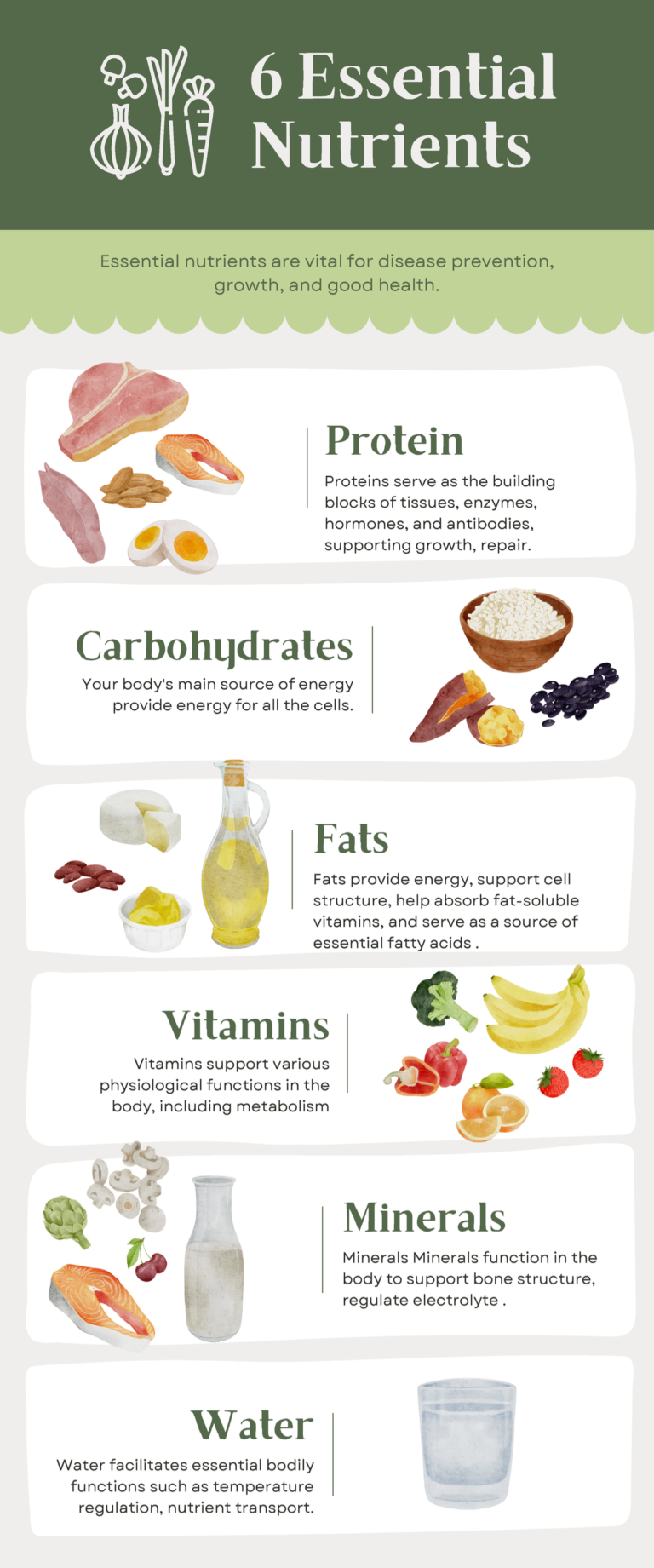
    Nutrients are substances that our bodies need to function, grow, repair, and maintain health. They are broadly categorized into two main types: macronutrients (needed in larger amounts) and micronutrients (needed in smaller amounts). These provide energy (calories) and are required in relatively large quantities. Carbohydrates Function: Primary energy source, especially for the brain and muscles.Types:…

  • | |

    Folic acid

    Folic acid is the synthetic (human-made) form of vitamin B9, also known as folate. It is an essential water-soluble vitamin that the body needs for numerous important functions. Key Roles of Folic Acid/Folate DNA Synthesis and Repair Crucial for cell division and growth, especially during periods of rapid growth like pregnancy and infancy.Red Blood Cell…

  • |

    Magnesium and its type

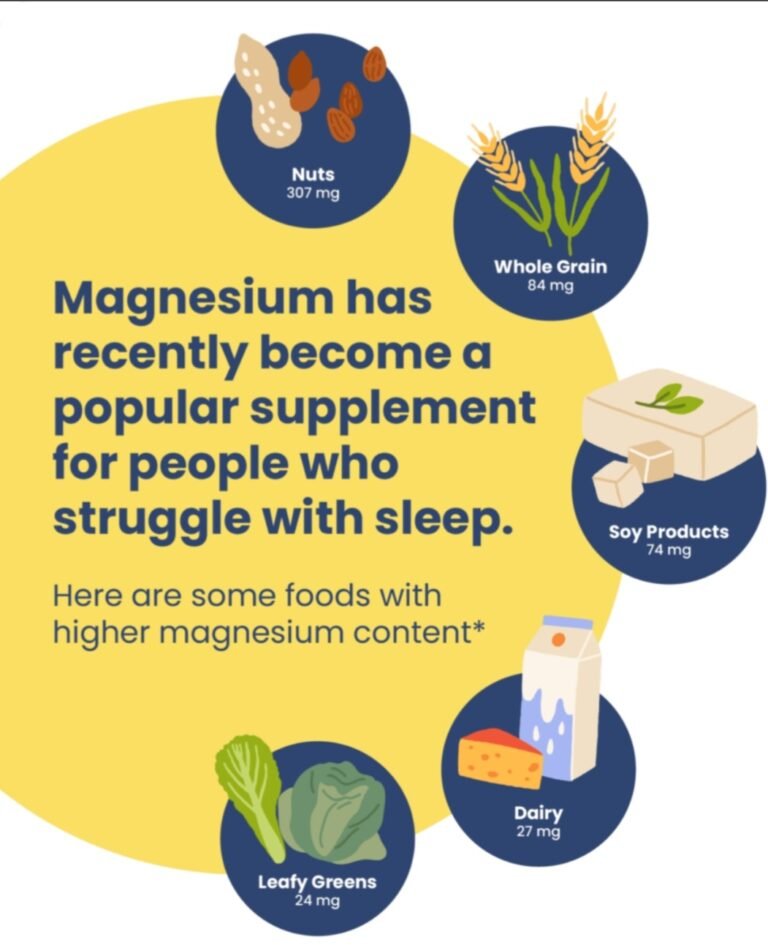
    Magnesium supplements are widely used to address deficiencies or support specific health goals. Here’s a concise guide: Common Magnesium Supplement Forms: | Type            | Absorption | Uses/Benefits                          ||———————-|—————-|——————————————–|| Magnesium Citrate | High           | Constipation relief, general deficiency.   || Magnesium Glycinate | High       | Anxiety, sleep support, muscle relaxation. || Magnesium Oxide   | Low            | Budget-friendly,…

  • | |

    Vitamin k

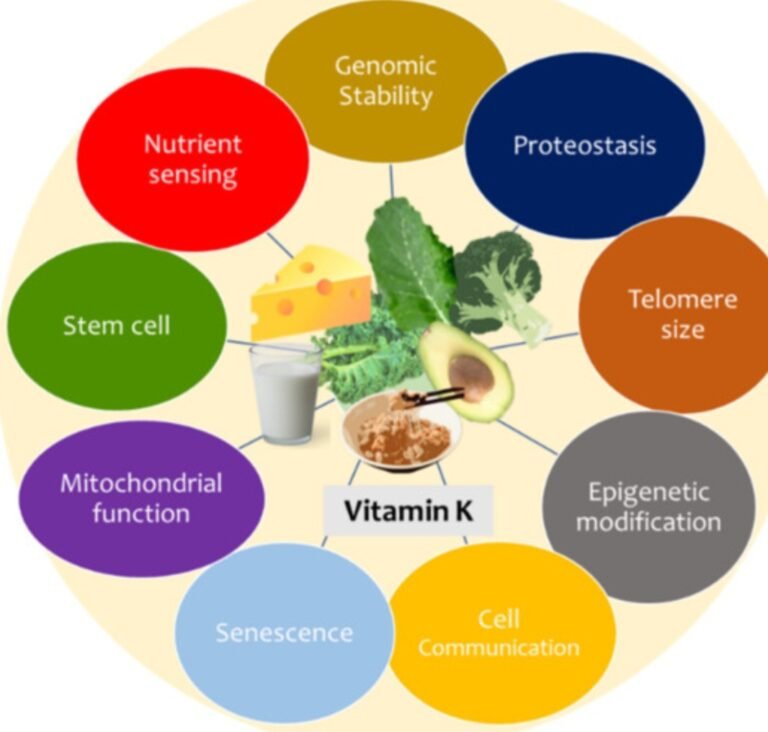
    Vitamin K is a vital, fat-soluble vitamin that plays a crucial role in several bodily functions, most notably blood clotting and bone health. Here’s a breakdown of its key aspects: Types of Vitamin K: Vitamin K1 (Phylloquinone): Found primarily in plants, especially green leafy vegetables.It’s the main dietary form of vitamin K.Primarily involved in blood…

  • | |

    B vitamins

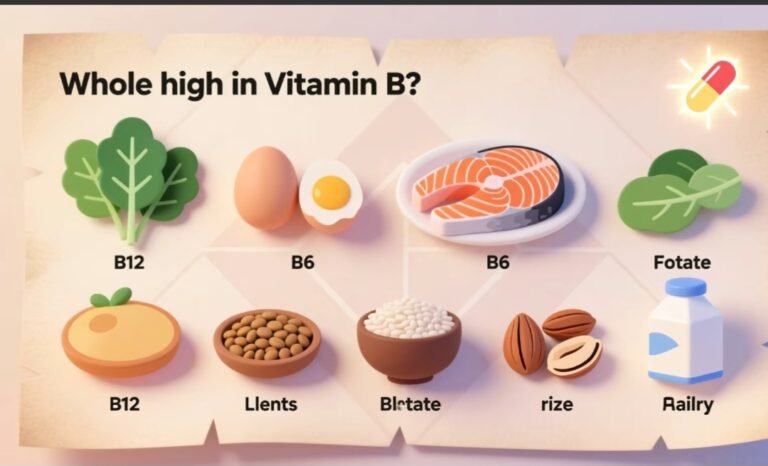
    B vitamins are a group of eight water-soluble vitamins essential for various metabolic processes, energy production, and overall health. Here’s a breakdown of each: B1 (Thiamine) Role: Converts nutrients into energy; supports nerve function.Sources: Whole grains, pork, legumes.Deficiency: Beriberi (nerve damage, fatigue), Wernicke-Korsakoff syndrome. B2 (Riboflavin) Role: Aids energy production; supports skin/eye health.Sources: Dairy, eggs,…

  • | |

    vitamin D

    Vitamin D is a fat-soluble vitamin that helps your body absorb calcium and phosphorus, which are essential for strong bones and teeth. It also plays important roles in muscle function, immune health, and inflammation control here are some key function of vitamin D: Bone Health: It helps regulate calcium levels in the body, promoting calcium…