
Antioxidants: Your Defense Against Free Radicals
Understanding how antioxidants protect your cells from oxidative stress and which vitamins and supplements offer the most powerful antioxidant benefits.
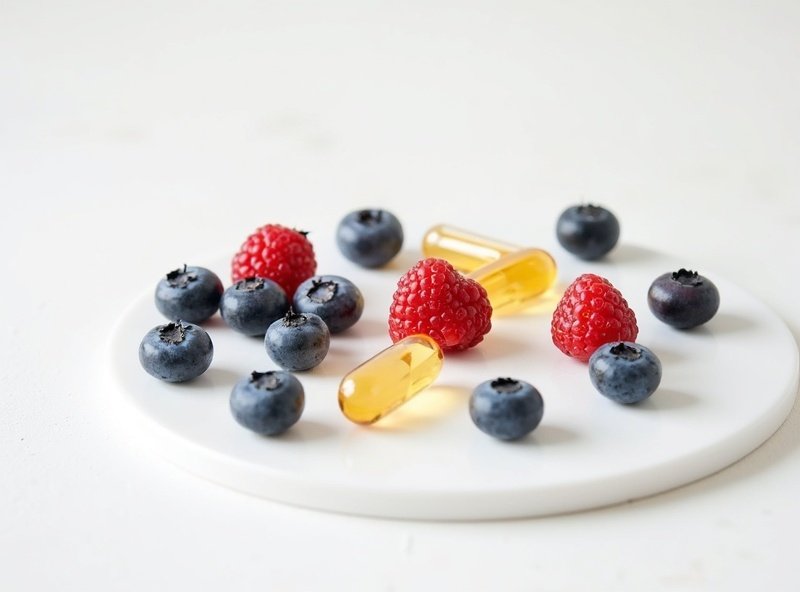
Understanding how antioxidants protect your cells from oxidative stress and which vitamins and supplements offer the most powerful antioxidant benefits.
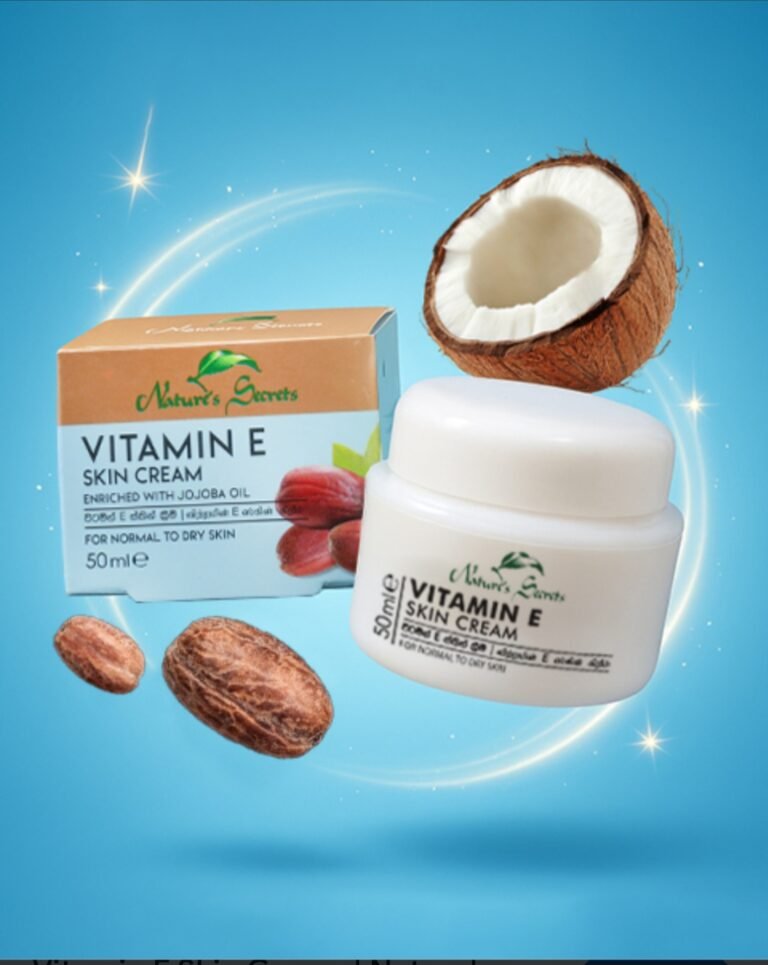

Vitamin C, also known ascorbic acid, is a water-soluble vitamin essential for various bodily functions. Some key points about Vitamin C include Function: It acts as an antioxidant, helping to protect cells from damage by free radicals. It’s also important for the synthesis of collagen, healing wounds, and boosting the immune system.Sources: Rich sources of…
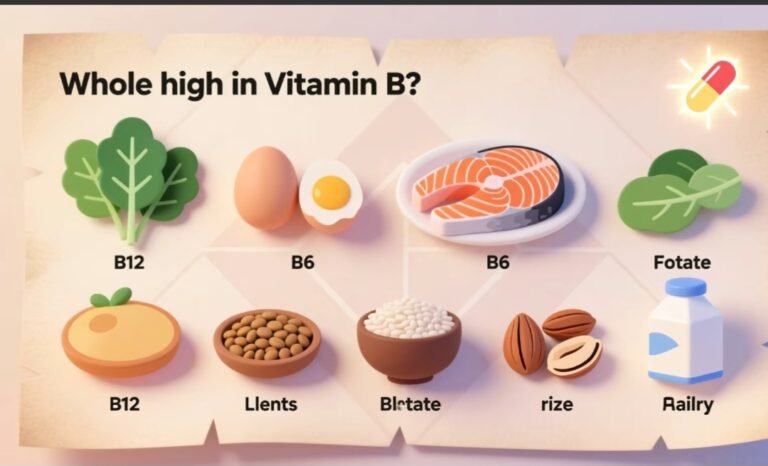
B vitamins are a group of eight water-soluble vitamins essential for various metabolic processes, energy production, and overall health. Here’s a breakdown of each: B1 (Thiamine) Role: Converts nutrients into energy; supports nerve function.Sources: Whole grains, pork, legumes.Deficiency: Beriberi (nerve damage, fatigue), Wernicke-Korsakoff syndrome. B2 (Riboflavin) Role: Aids energy production; supports skin/eye health.Sources: Dairy, eggs,…
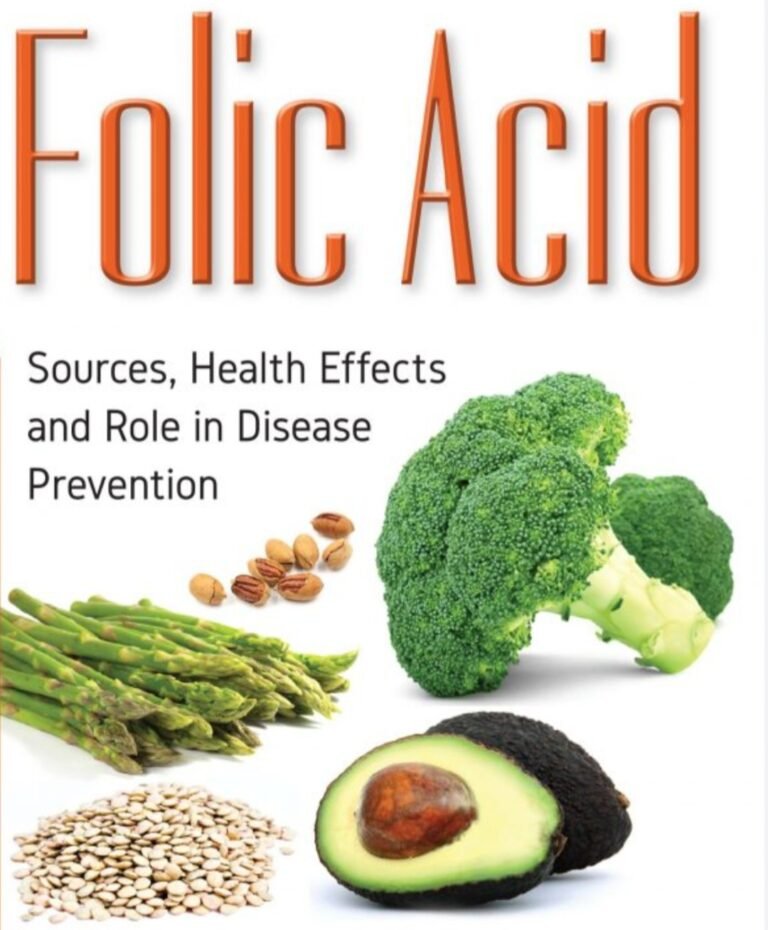
Folic acid is the synthetic (human-made) form of vitamin B9, also known as folate. It is an essential water-soluble vitamin that the body needs for numerous important functions. Key Roles of Folic Acid/Folate DNA Synthesis and Repair Crucial for cell division and growth, especially during periods of rapid growth like pregnancy and infancy.Red Blood Cell…
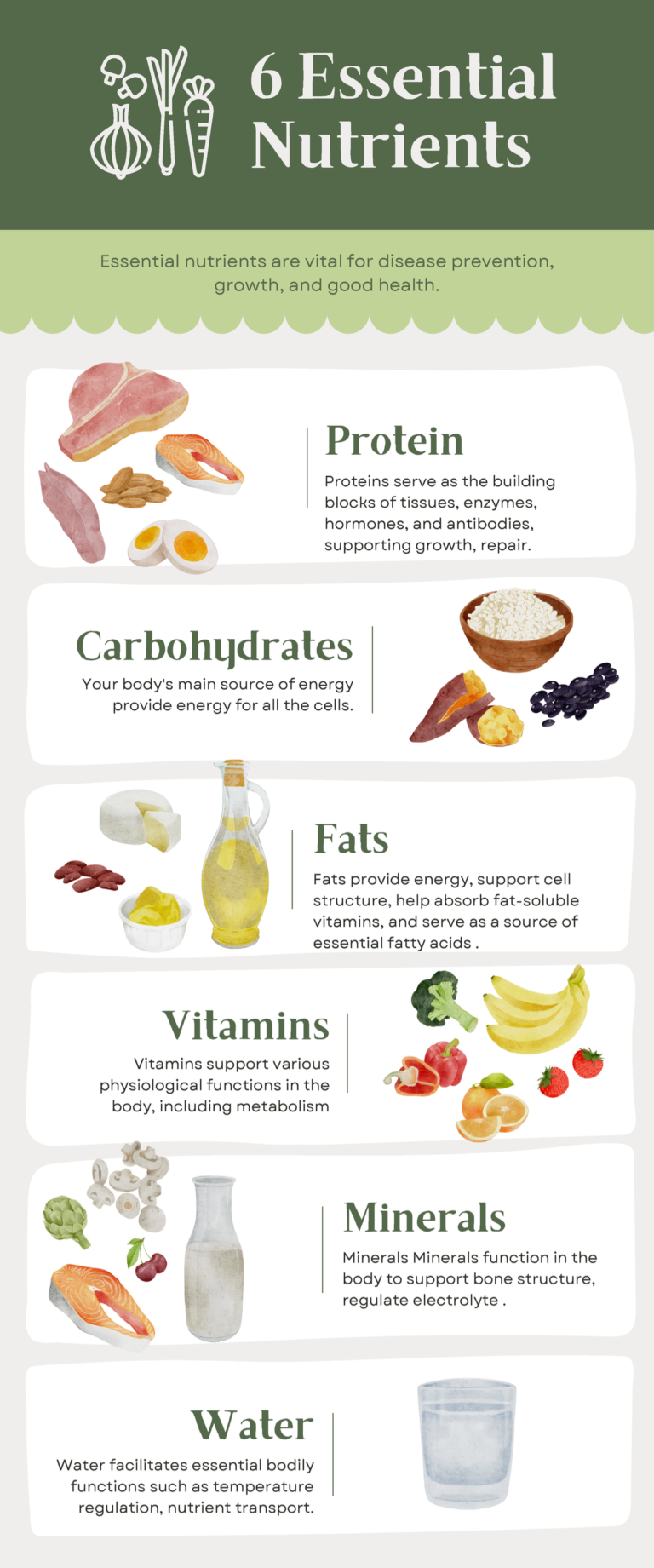
Nutrients are substances that our bodies need to function, grow, repair, and maintain health. They are broadly categorized into two main types: macronutrients (needed in larger amounts) and micronutrients (needed in smaller amounts). These provide energy (calories) and are required in relatively large quantities. Carbohydrates Function: Primary energy source, especially for the brain and muscles.Types:…
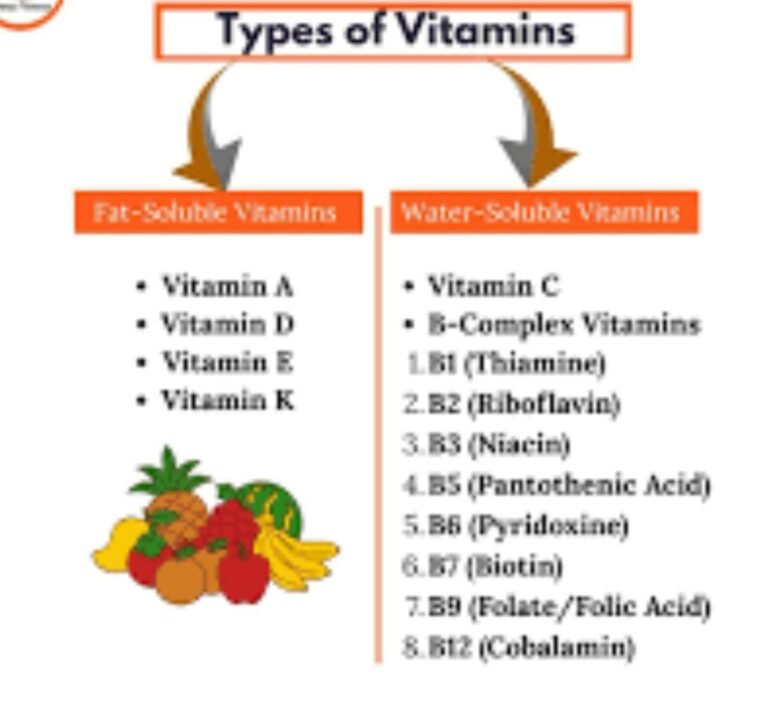
Vitamins are essential organic compounds that the body needs in small amounts for various functions. They are classified into two main categories: water-soluble and fat-soluble vitamins Water-Soluble Vitamins: Vitamin B1 (Thiamine): Important for energy metabolism and nerve function.Vitamin B2 (Riboflavin): Involved in energy production and cellular function.Vitamin B3 (Niacin): Supports metabolism and DNA repair.Vitamin B5…