
vitamins good for immune support
When it comes to supporting your immune system, several vitamins and minerals play key roles. Here are the most important ones:
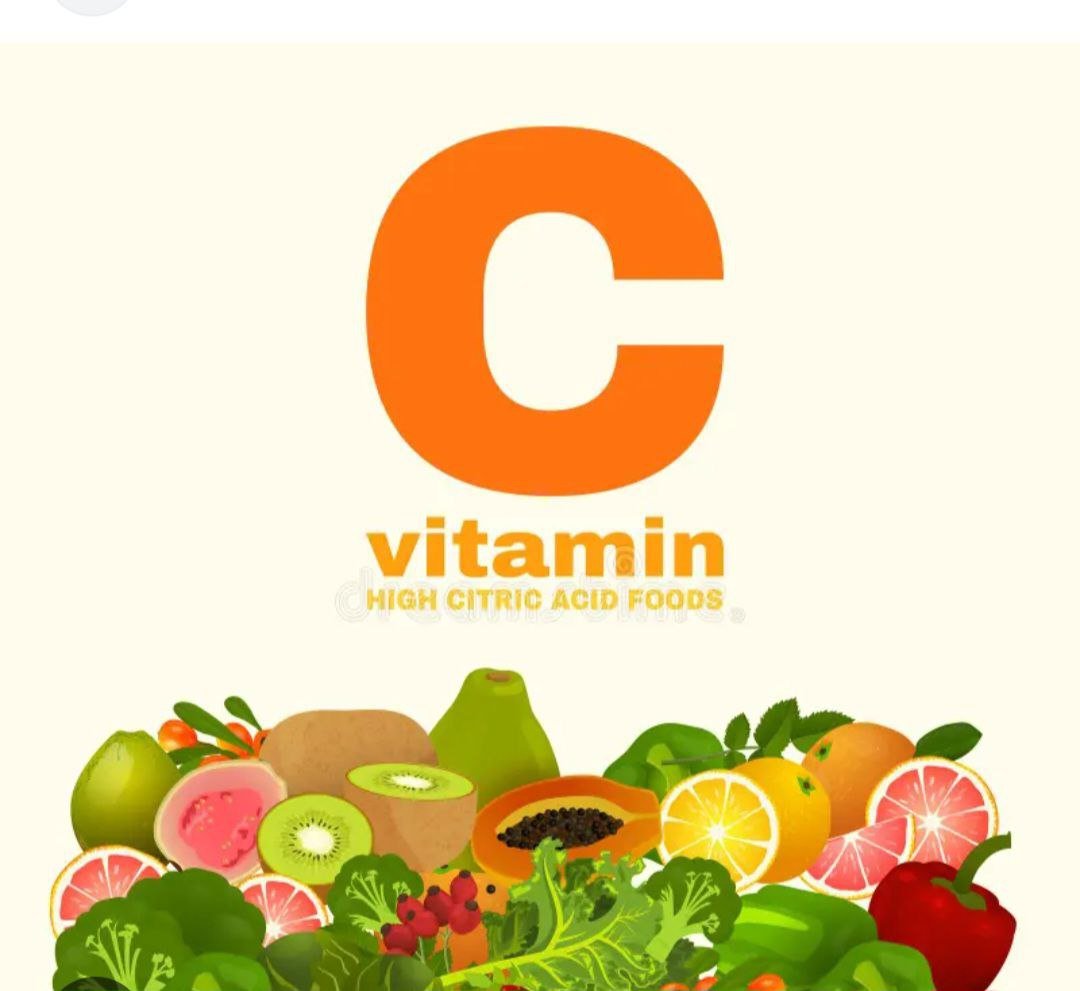
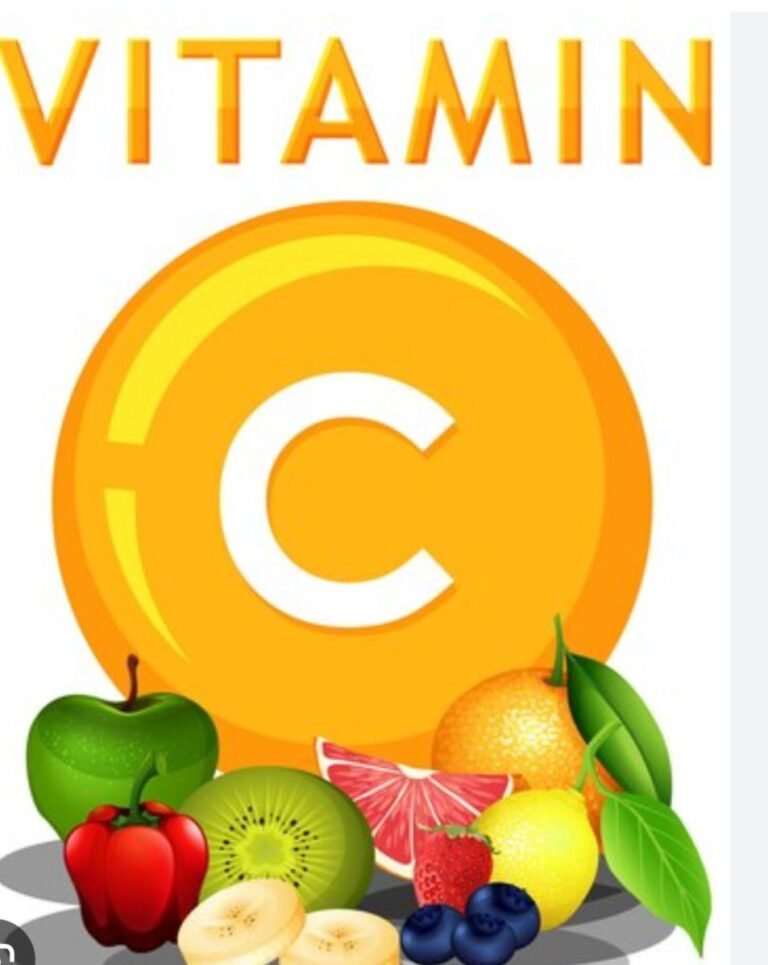
- Vitamin C
Often the first that comes to mind, vitamin C is a powerful antioxidant.
· What it does: Encourages the production of white blood cells (lymphocytes and phagocytes), which help protect the body against infection. It also helps these cells function more effectively while protecting them from damage by potentially harmful molecules, such as free radicals.
· Sources: Citrus fruits (oranges, grapefruit), bell peppers, strawberries, kiwi, broccoli, and tomatoes.
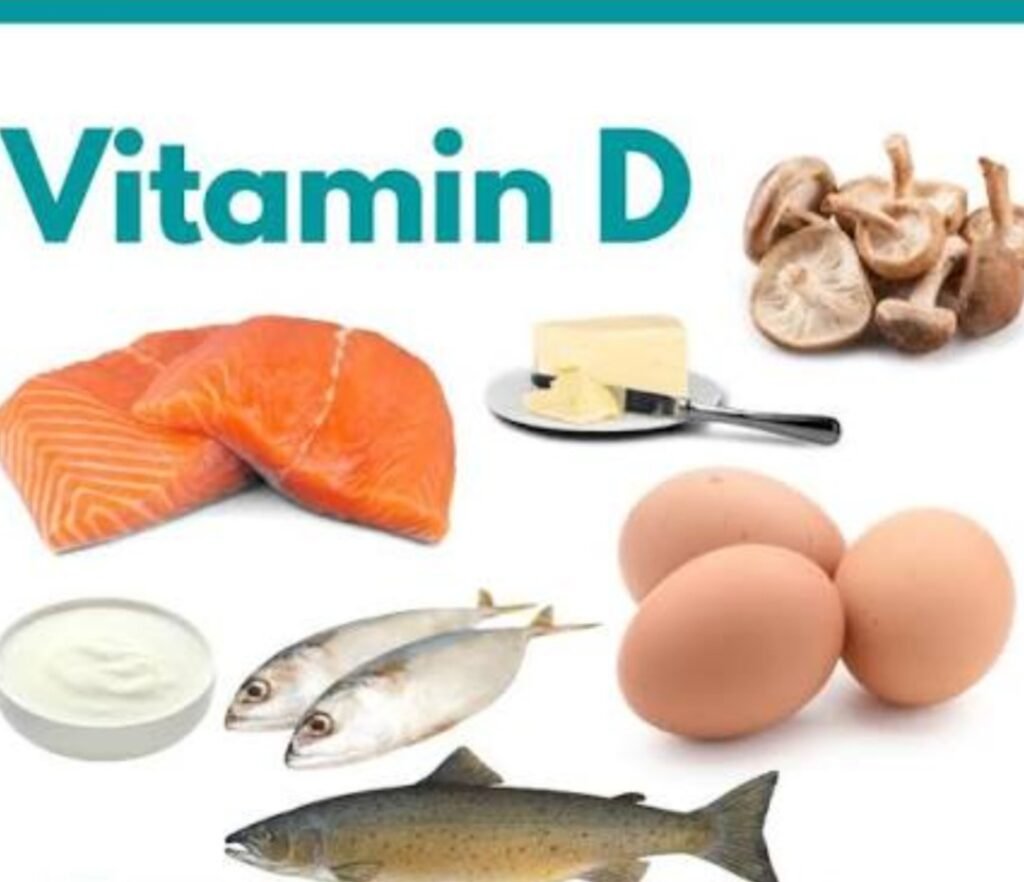
- Vitamin D
This is one of the most crucial vitamins for immune function, yet many people are deficient.
· What it does: Acts as a modulator of the immune system. It helps enhance the pathogen-fighting effects of monocytes and macrophages — white blood cells that are critical parts of your immune defense — and decreases inflammation. Low vitamin D levels are associated with a higher risk of respiratory infections.
· Sources: Sunlight (the primary source), fatty fish (salmon, mackerel), egg yolks, and fortified dairy or plant milks.
- Vitamin B6 (Pyridoxine)
This vitamin is a silent workhorse behind many biochemical reactions in the immune system.
· What it does: It is essential for supporting biochemical reactions in the immune system. Specifically, it is necessary for the production of interleukin-2 and white blood cells (lymphocytes). A deficiency can stunt the immune response.
· Sources: Chicken, turkey, tuna, chickpeas, bananas, potatoes, and fortified cereals.
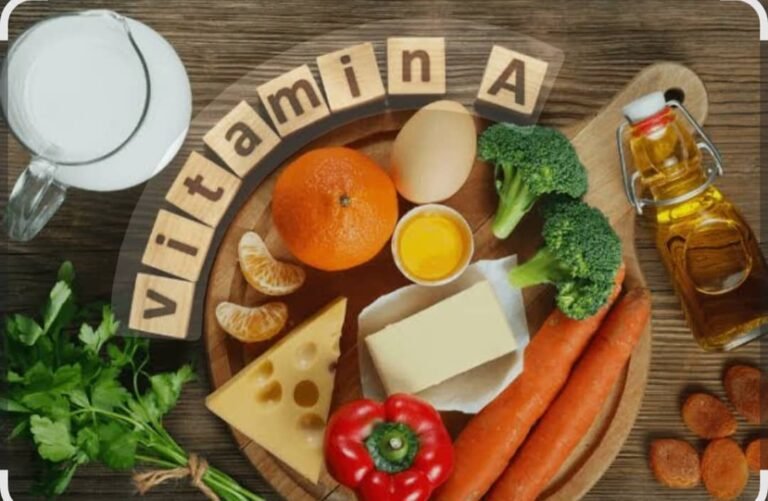
- Vitamin A
Often associated with eye health, vitamin A is critical for your first line of defense.
· What it does: It helps maintain the health of your mucous membranes (the skin in your nose, mouth, throat, and gut). These membranes act as a physical barrier that traps germs. It also regulates the immune system and helps produce white blood cells.
· Sources: Two types: Preformed vitamin A (liver, fish oil, eggs, dairy) and Provitamin A (beta-carotene) (sweet potatoes, carrots, spinach, kale, butternut squash).
- Vitamin E
A powerful antioxidant that helps the body fight off infection.
· What it does: As a fat-soluble antioxidant, it helps neutralize free radicals. It is also crucial for the maintenance of natural killer cells and lymphocytes (white blood cells). As we age, immune response often declines; vitamin E helps counteract this.
· Sources: Nuts (almonds, peanuts), seeds (sunflower seeds), spinach, and broccoli.
Important Note: “More” is not always “Better”
While these vitamins are essential, getting them through food is generally superior to taking high-dose supplements.
· Supplements: Unless you have a diagnosed deficiency (like low vitamin D), taking mega-doses of vitamins (especially Vitamin C and Zinc) does not “supercharge” a healthy immune system and can sometimes cause toxicity or stomach upset.
· The Synergy Effect: The immune system does not rely on a single vitamin. It works best when supported by a balanced diet rich in protein, fiber, and a variety of micronutrients, along with adequate sleep, hydration, and stress management.
vitamin D is the most important vitamin for immune system support or take place for health immunity
Vitamin C is important vitamin in our body and in our health thanks for good explanation you give to us