protein
Protein is a crucial macronutrient and one of the fundamental building blocks of life. Here’s a straightforward explanation:
What is Protein?
Building and Repairing Tissues: They help build muscles, skin, hair, nails, and organs.
Enzymes and Catalysts: Many proteins act as enzymes, speeding up chemical reactions in the body (e.g., digesting food).
Hormones and Signaling: Proteins like insulin regulate bodily functions and communication between cells.
Immune Defense: Antibodies, which are proteins, help fight off infections.
Transport and Storage: Proteins like hemoglobin transport oxygen in the blood, while others store nutrients.
Structure and Movement: Proteins provide structural support (e.g., collagen in bones) and enable movement (e.g., actin and myosin in muscles).
Nutritional Importance: From a dietary perspective, proteins are essential for growth, maintenance, and repair. Your body needs proteins to function properly, and they provide energy (about 4 calories per gram). Not all proteins are created equal—complete proteins (found in animal sources like meat, eggs, and dairy) contain all nine essential amino acids that your body can’t produce on its own, while incomplete proteins (from plant sources like beans, nuts, and grains) may require combining foods to get all the essentials.
Sources of Protein:
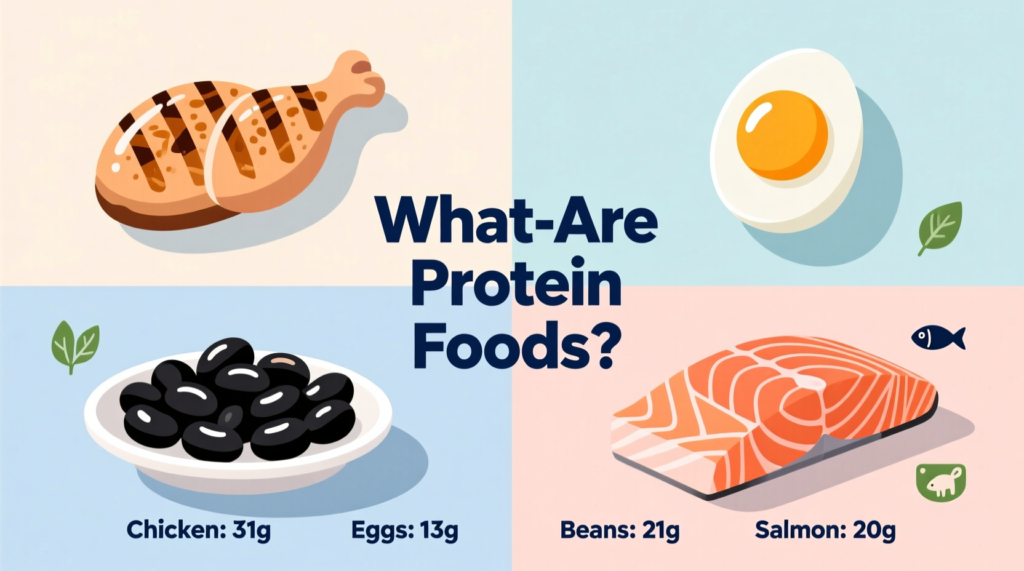
Animal-based: Meat, poultry, fish, eggs, milk, and cheese.
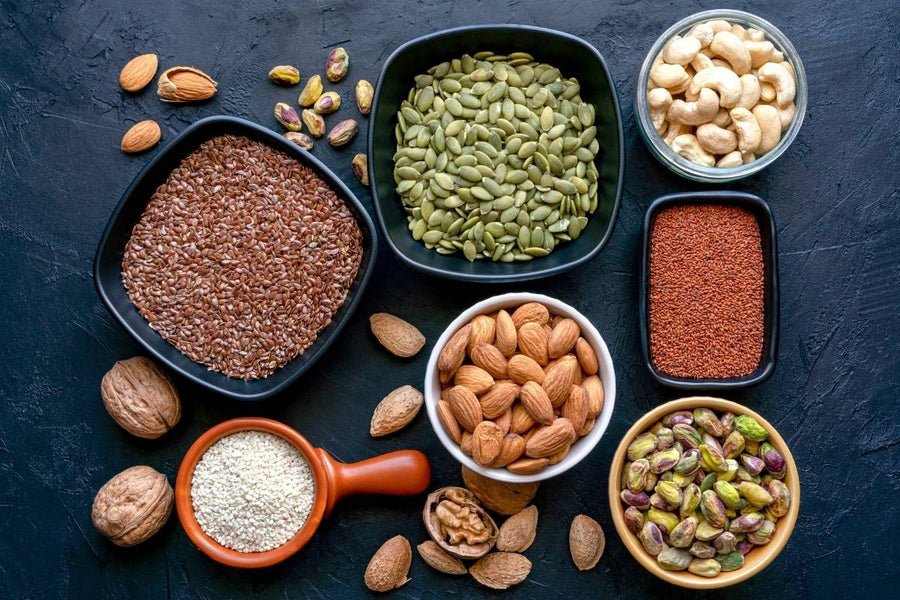
Plant-based: Legumes (beans, lentils), nuts, seeds, tofu, quinoa, and vegetables like broccoli.
Daily Needs: The recommended intake varies by age, sex, and activity level, but adults typically need about 0.8 grams of protein per kilogram of body weight. For example, a 70 kg (154 lbs) person might need around 56 grams per day.
Proteins are vital for overall health, and deficiencies can lead to issues like muscle loss or weakened immunity.