VitaminC
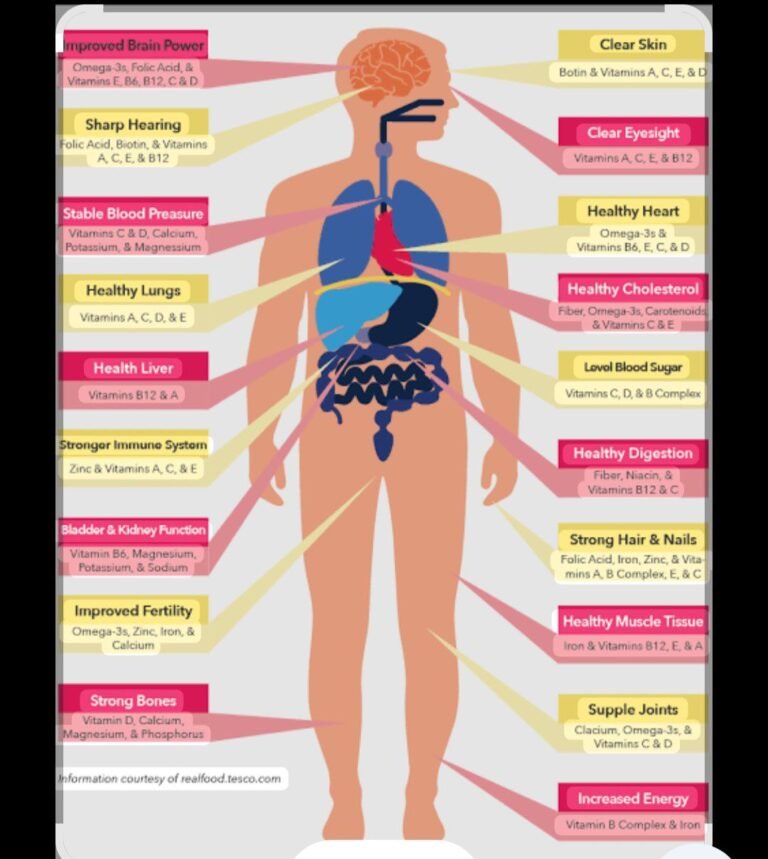
Vitamin C, also known ascorbic acid, is a water-soluble vitamin essential for various bodily functions. Some key points about Vitamin C include
Function: It acts as an antioxidant, helping to protect cells from damage by free radicals. It’s also important for the synthesis of collagen, healing wounds, and boosting the immune system.
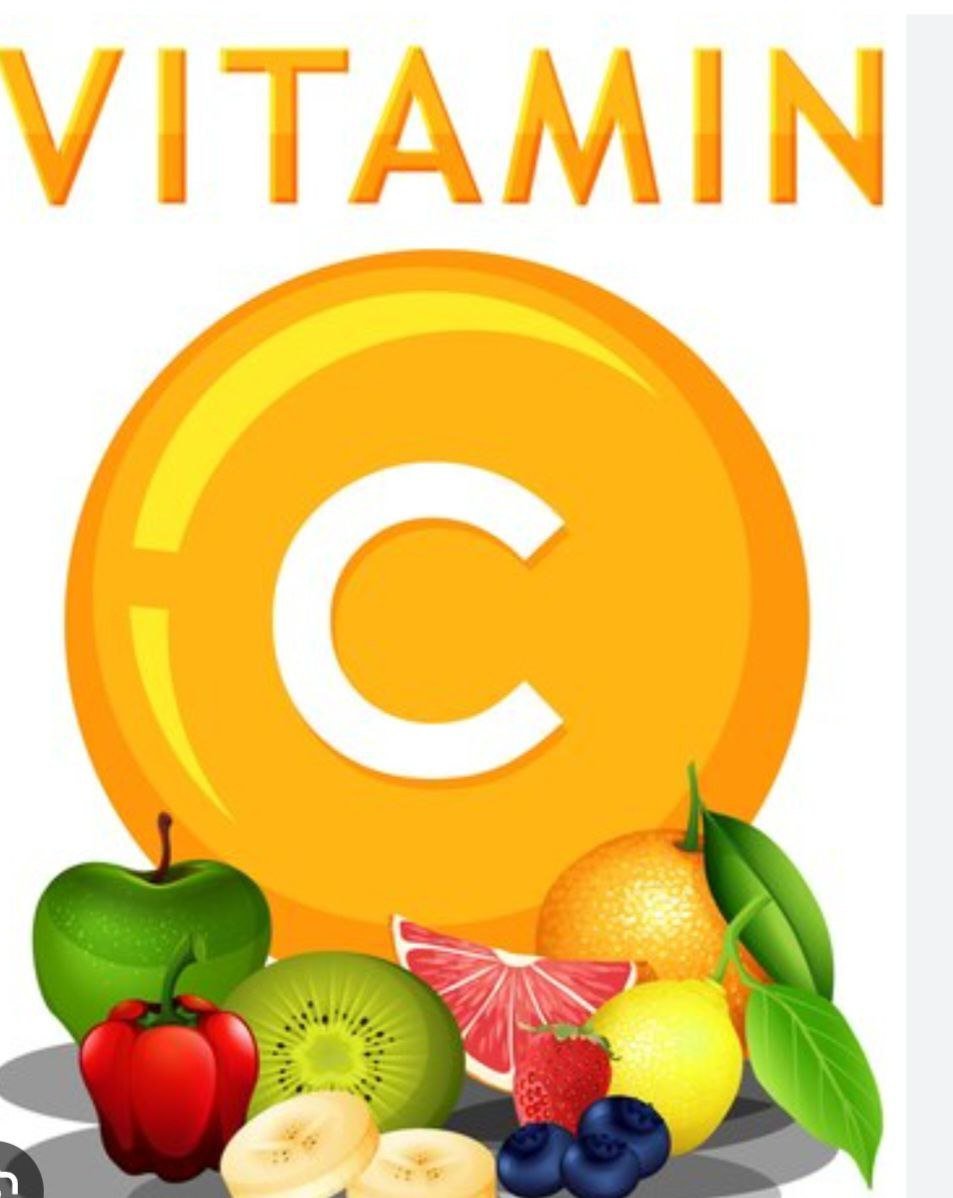
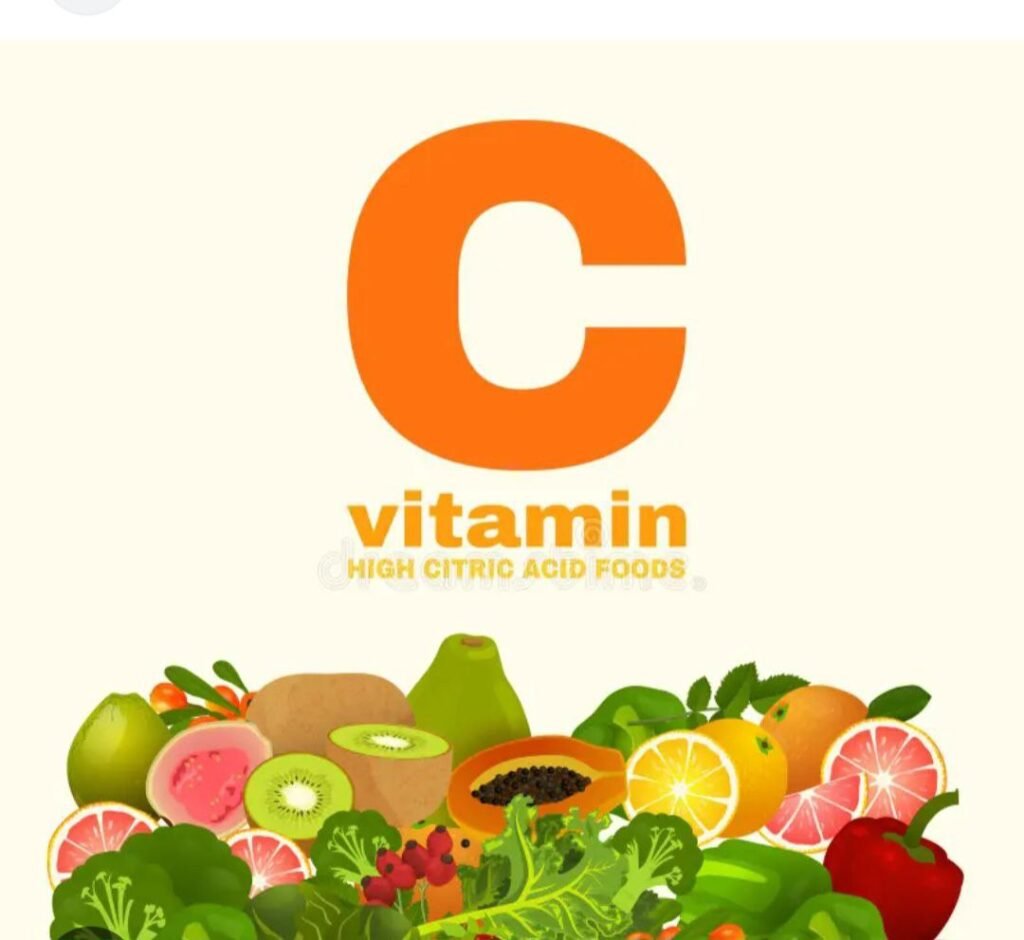
Sources: Rich sources of Vitamin C include citrus fruits (oranges, lemons), strawberries, kiwis, bell peppers, broccoli, and tomatoes.
Deficiency: A lack of Vitamin C can lead to scurvy, characterized by symptoms such as fatigue, gum disease, and skin issues.
Recommended Intake: Daily recommended amounts vary by age and gender, but for adults, it is typically around 65 to 90 mg per day.
Supplementation: While most people can obtain sufficient Vitamin C from their diet, supplements are available for those who may need them.
Health Benefits: Some studies suggest that Vitamin C may help reduce the duration and severity of colds, although opinions on its effectiveness vary
Vitamin C is a small nutrient with powerful effects. It protects the body like a shield, helping fight infections and heal wounds faster. It keeps skin fresh, supports strong gums, and helps the body absorb iron. Found in bright fruits and vegetables, vitamin C adds strength and sparkle to everyday health