Types of nutrients
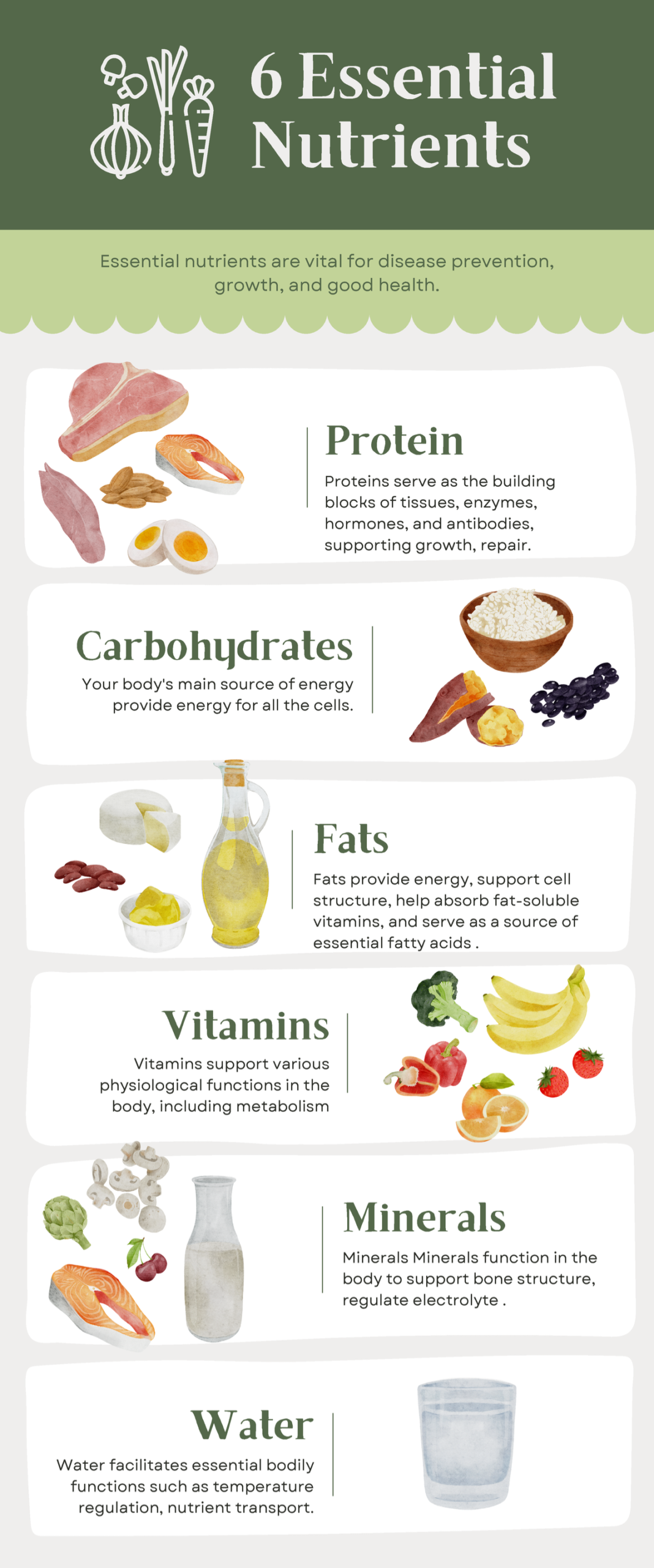
Nutrients are substances that our bodies need to function, grow, repair, and maintain health. They are broadly categorized into two main types: macronutrients (needed in larger amounts) and micronutrients (needed in smaller amounts).
- Macronutrients
These provide energy (calories) and are required in relatively large quantities.
Carbohydrates
Function: Primary energy source, especially for the brain and muscles.
Types: Simple sugars (glucose, fructose), complex carbs (starches, fiber).
Sources: Grains, fruits, vegetables, legumes, dairy.
Proteins
Function: Build and repair tissues, produce enzymes and hormones, support immune function.
Components: Made of amino acids (essential and non-essential).
Sources: Meat, fish, eggs, dairy, legumes, nuts, seeds.
Fats (Lipids)
Function: Energy storage, insulation, cell membrane structure, absorption of fat-soluble vitamins.
Types: Saturated, unsaturated (monounsaturated, polyunsaturated), trans fats (avoid).
Sources: Oils, butter, avocado, nuts, seeds, fatty fish.
Water
Function: Hydration, temperature regulation, nutrient transport, waste removal.
Sources: Drinking water, beverages, fruits, vegetables.
- Micronutrients
These are required in smaller amounts but are essential for various body processes.
Vitamins
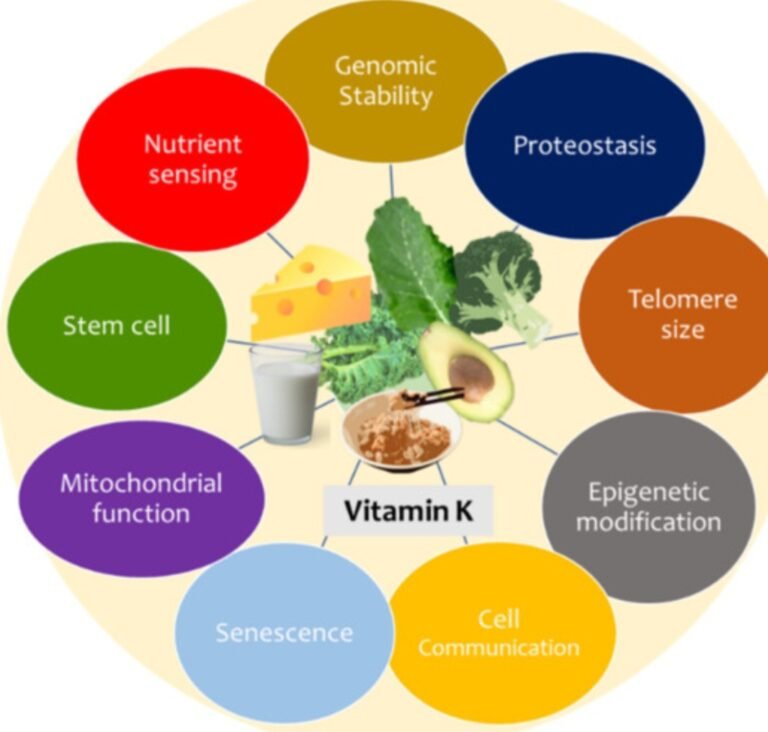
Fat-soluble: Vitamins A, D, E, K (stored in body fat).
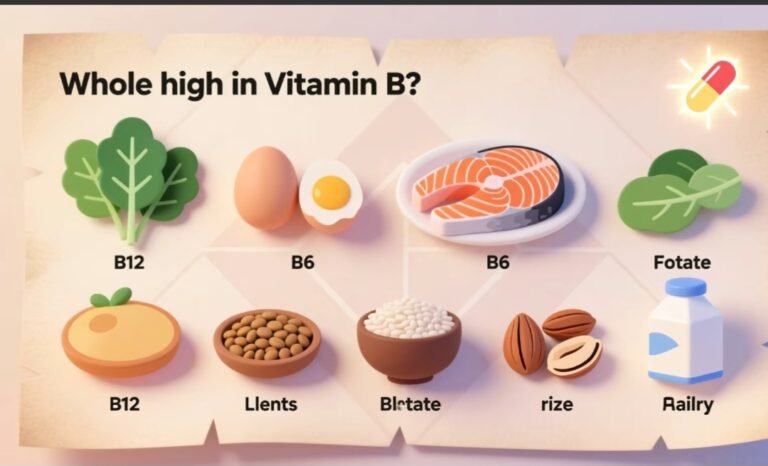
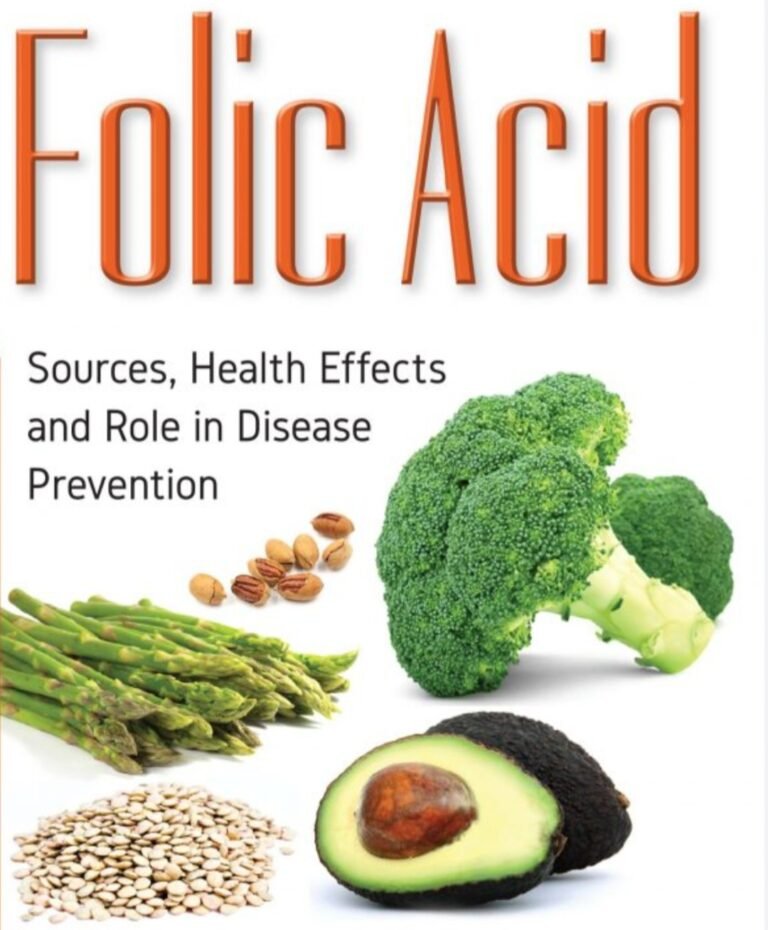
Water-soluble: B vitamins (B1, B2, B6, B12, folate, etc.) and vitamin C (not stored; excess excreted).
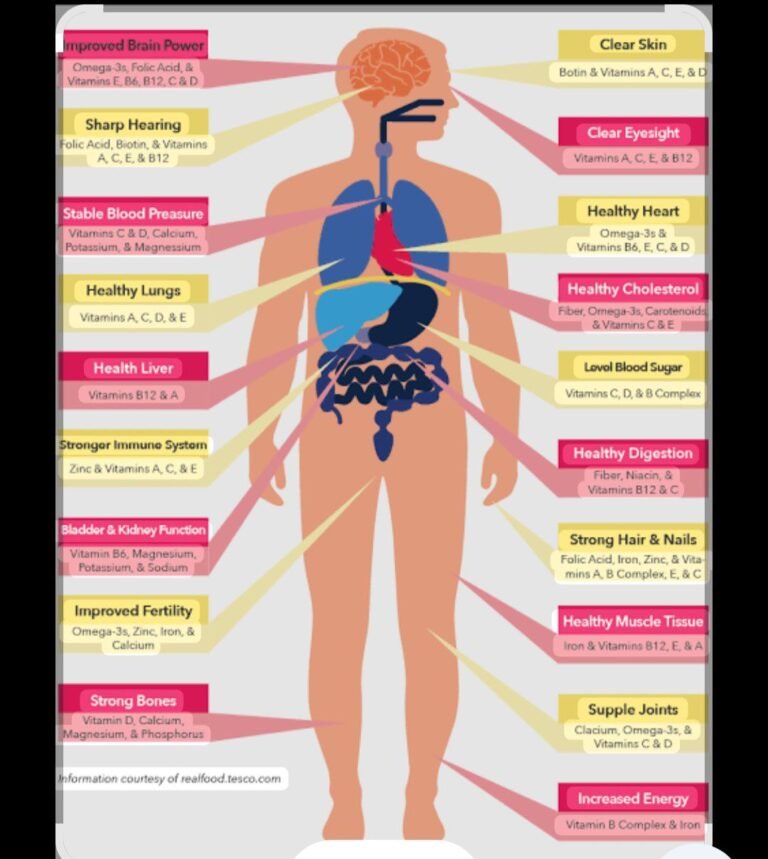
Function: Support immune function, vision, bone health, energy metabolism, and more.
Minerals
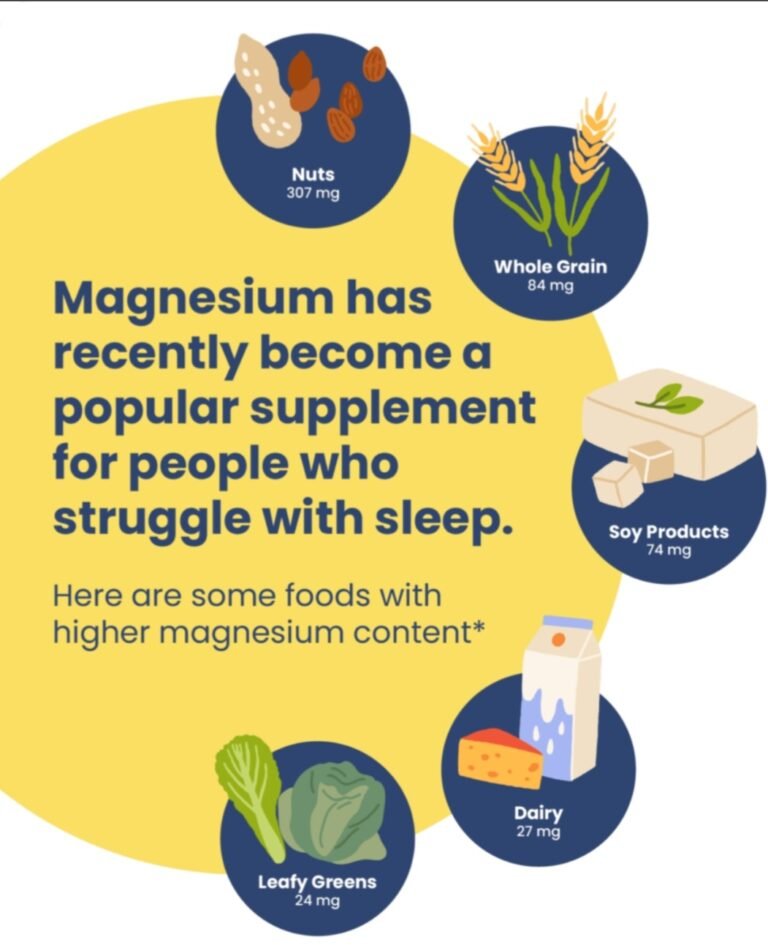
Major minerals: Needed in larger amounts (e.g., calcium, phosphorus, magnesium, sodium, potassium, chloride).
Trace minerals: Needed in tiny amounts (e.g., iron, zinc, iodine, selenium, copper, manganese).
Function: Bone health, fluid balance, oxygen transport, enzyme function, nerve signaling.
Other Important Dietary Components
Fiber (a type of carbohydrate): Supports digestion, heart health, and blood sugar control.
Phytochemicals & Antioxidants (e.g., flavonoids, carotenoids): Found in plants; help protect against disease.
Probiotics & Prebiotics: Support gut health.
Key Take
A balanced diet containing a variety of whole foods—fruits, vegetables, lean proteins, whole grains, and healthy fats—ensures adequate intake of all essential nutrients.