Folic acid
Folic acid is the synthetic (human-made) form of vitamin B9, also known as folate. It is an essential water-soluble vitamin that the body needs for numerous important functions.
Key Roles of Folic Acid/Folate
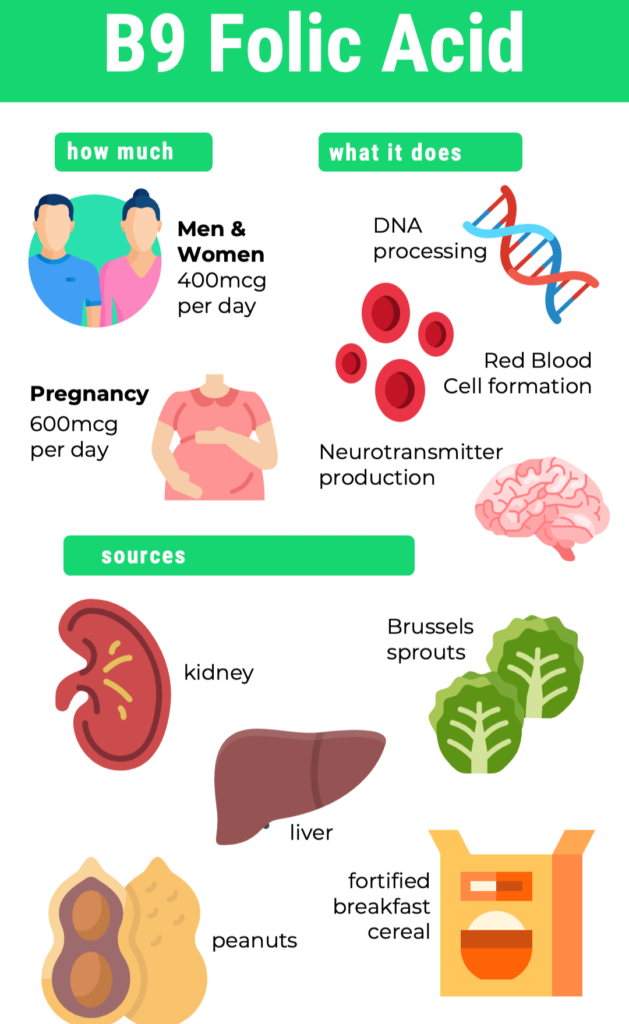
DNA Synthesis and Repair
Crucial for cell division and growth, especially during periods of rapid growth like pregnancy and infancy.
Red Blood Cell Formation
Helps prevent megaloblastic anemia, a condition where red blood cells are large and immature.
Neural Tube Development
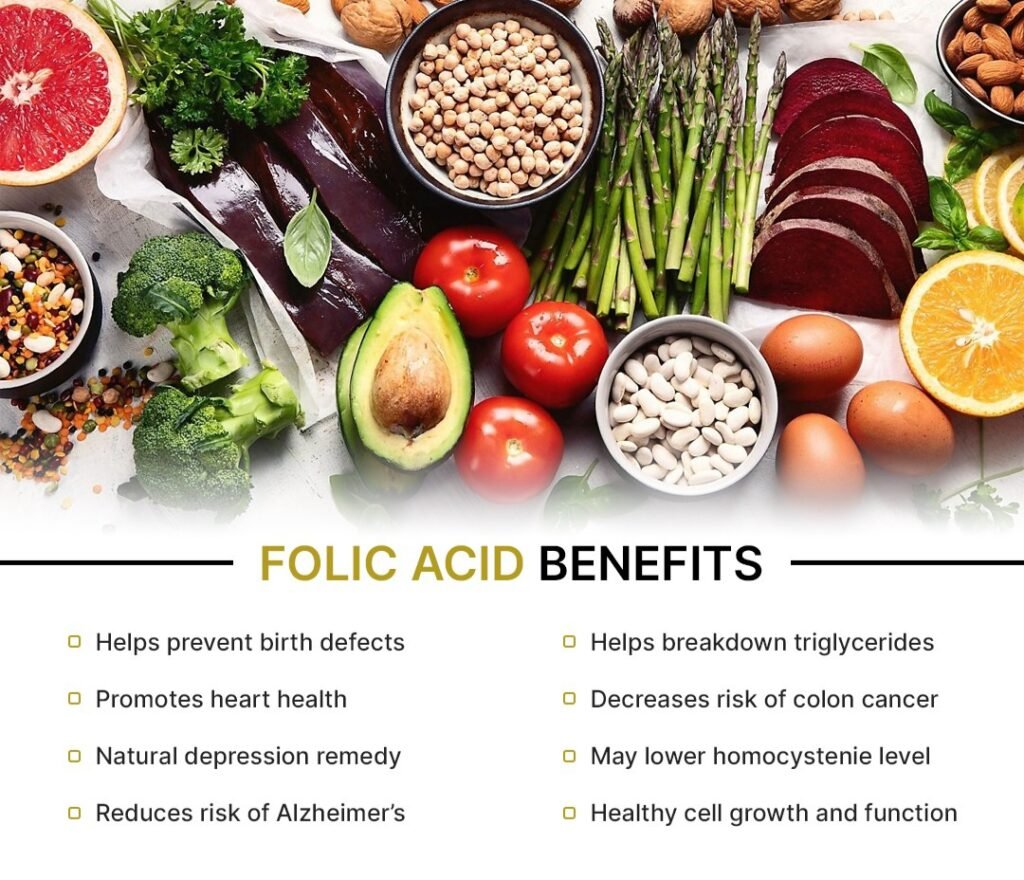
Adequate folate intake before and during early pregnancy significantly reduces the risk of neural tube defects (e.g., spina bifida) in babies.
Homocysteine Regulation
Helps convert homocysteine (an amino acid) into methionine. High homocysteine levels are linked to cardiovascular disease.
Brain and Mental Health Support
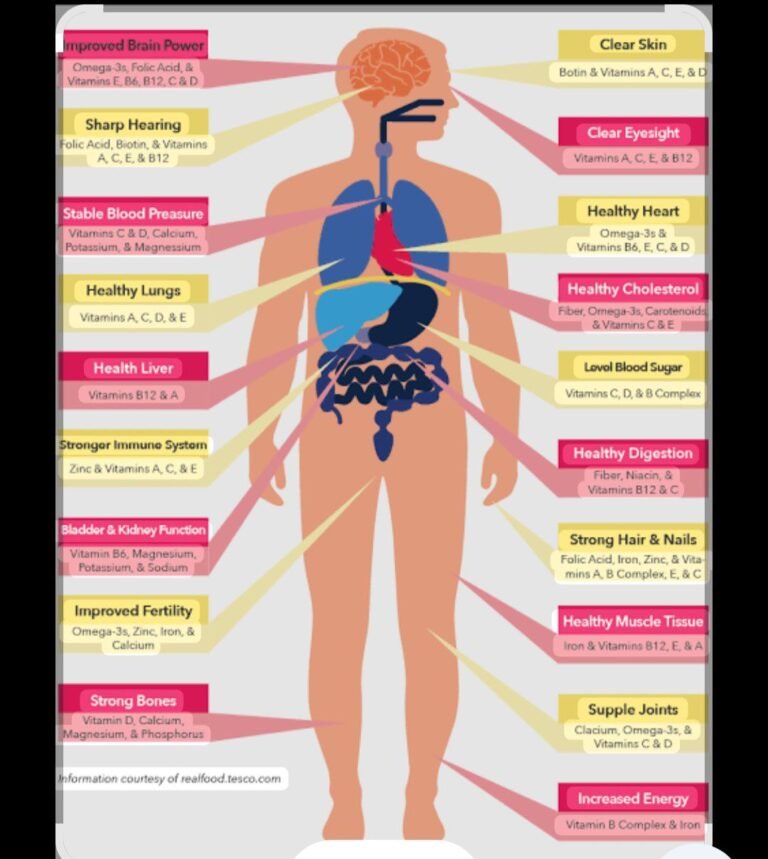
Important for cognitive function and may play a role in mood regulation.
Natural Sources vs. Folic Acid
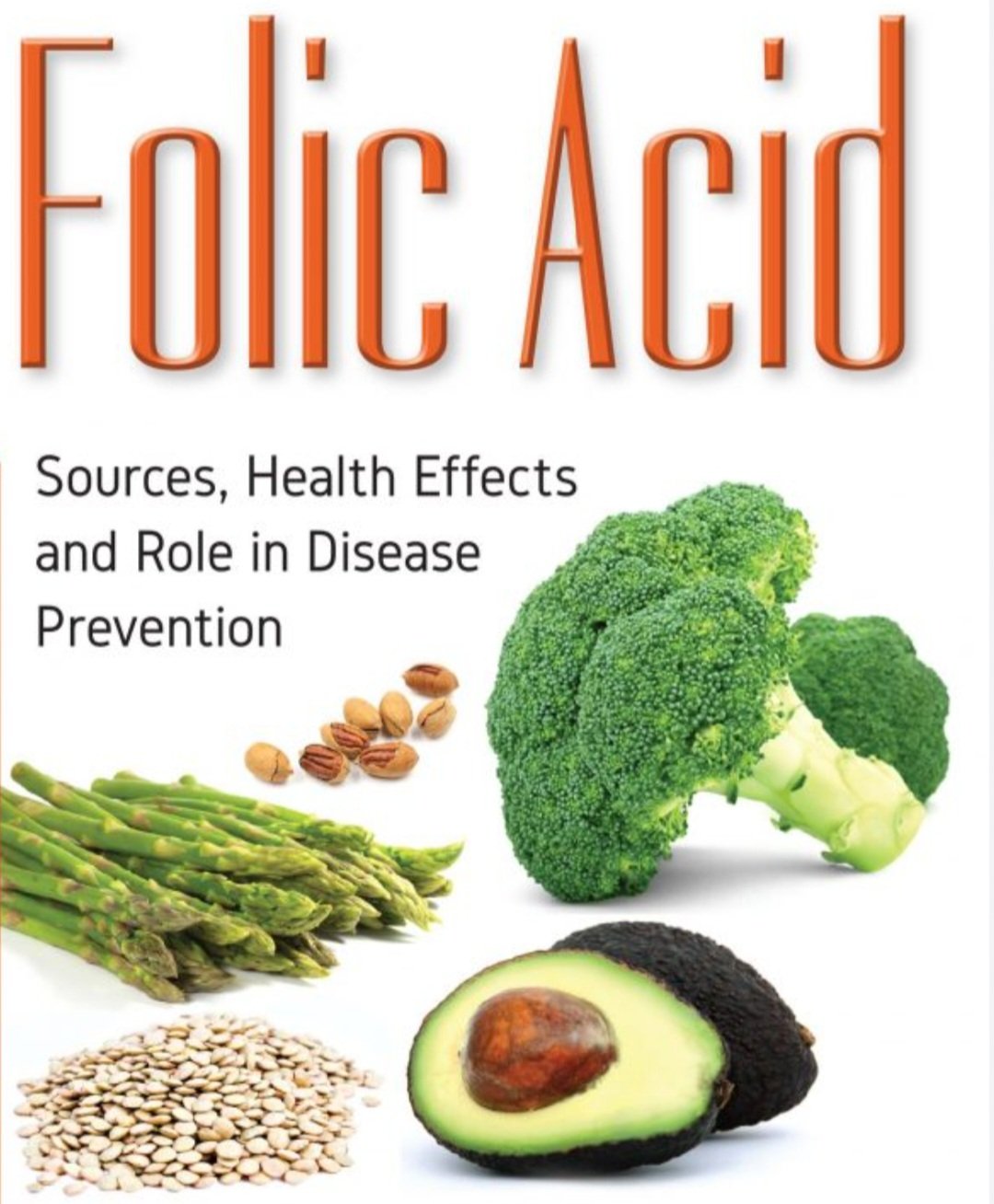
Folate occurs naturally in foods like:
Leafy greens (spinach, kale)
Legumes (lentils, chickpeas)
Citrus fruits, avocado, broccoli
Liver (high in folate but also high in vitamin A, so caution in pregnancy)
Folic acid is found in:
Supplements
Fortified foods (bread, cereals, pasta, flour in many countries)
Who Needs It Most?
Pregnant or planning pregnancy – to prevent birth defects.
People with poor diets or conditions affecting nutrient absorption (e.g., celiac disease, Crohn’s).
Individuals with certain genetic variations (like MTHFR mutations) that affect folate metabolism (may need methylfolate instead of folic acid).
Those with high alcohol intake, which interferes with folate absorption.
Recommended Intake
Adults: 400 mcg/day
Pregnant women: 600 mcg/day
Breastfeeding women: 500 mcg/day
Caution: Very high doses of folic acid from supplements can mask vitamin B12 deficiency and may have other risks, so it’s best to consult a healthcare provider.