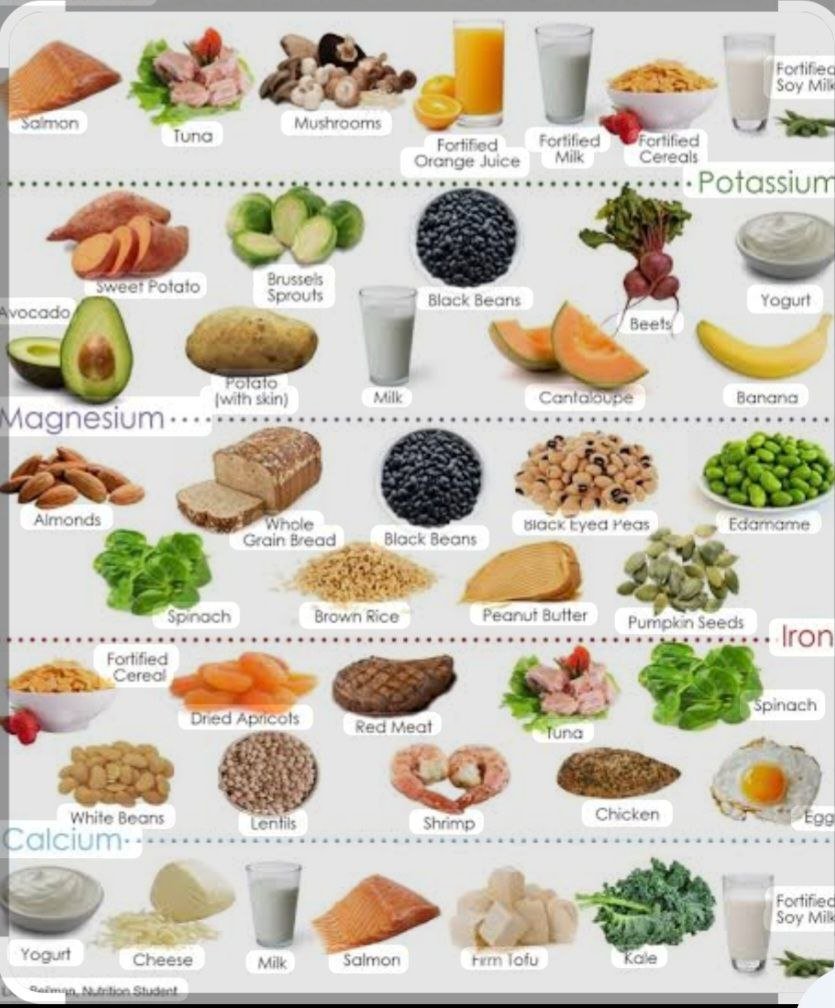
Vitamins and minerals work together synergistically to support essential bodily functions, often relying on each other for absorption, activation, or effectiveness
Here’s how they interact:
Synergistic Roles
Vitamin D & Calcium: Vitamin D enhances intestinal absorption of calcium, a mineral critical for bone health. Without sufficient vitamin D, calcium cannot be properly utilized. Vitamin C & Iron: Vitamin C (ascorbic acid) boosts absorption of non-heme iron (from plant sources) by converting it into a more bioavailable form, aiding in red blood cell production. Vitamin K & Calcium: Vitamin K helps regulate calcium deposition in bones and prevents it from accumulating in soft tissues (e.g., blood vessels)
Antioxidant Defense
Vitamins C, E & Selenium: Vitamin C regenerates oxidized vitamin E, while selenium supports antioxidant enzymes like glutathione peroxidase, protecting cells from oxidative damage. Zinc & Vitamin A: Zinc is required to synthesize retinol-binding protein, which transports vitamin A (retinol) from the liver to tissues.
. Enzyme Activation
B Vitamins & Magnesium: B vitamins (e.g., B6, folate) act as coenzymes in energy metabolism, while magnesium serves as a cofactor for ATP production and DNA synthesis. Iodine & Thyroid Function: Iodine is essential for thyroid hormone synthesis, but selenium-dependent enzymes (like deiodinases) activate these hormones.
Electrolyte & Nerve Function
Sodium, Potassium & Chloride: These minerals maintain fluid balance and nerve impulses. B vitamins (e.g., B1, B6) also support nerve signaling.
Balanced Ratios Matter
Excess zinc can inhibit copper absorption, while high calcium intake may interfere with magnesium uptake. A varied diet ensures balanced intake
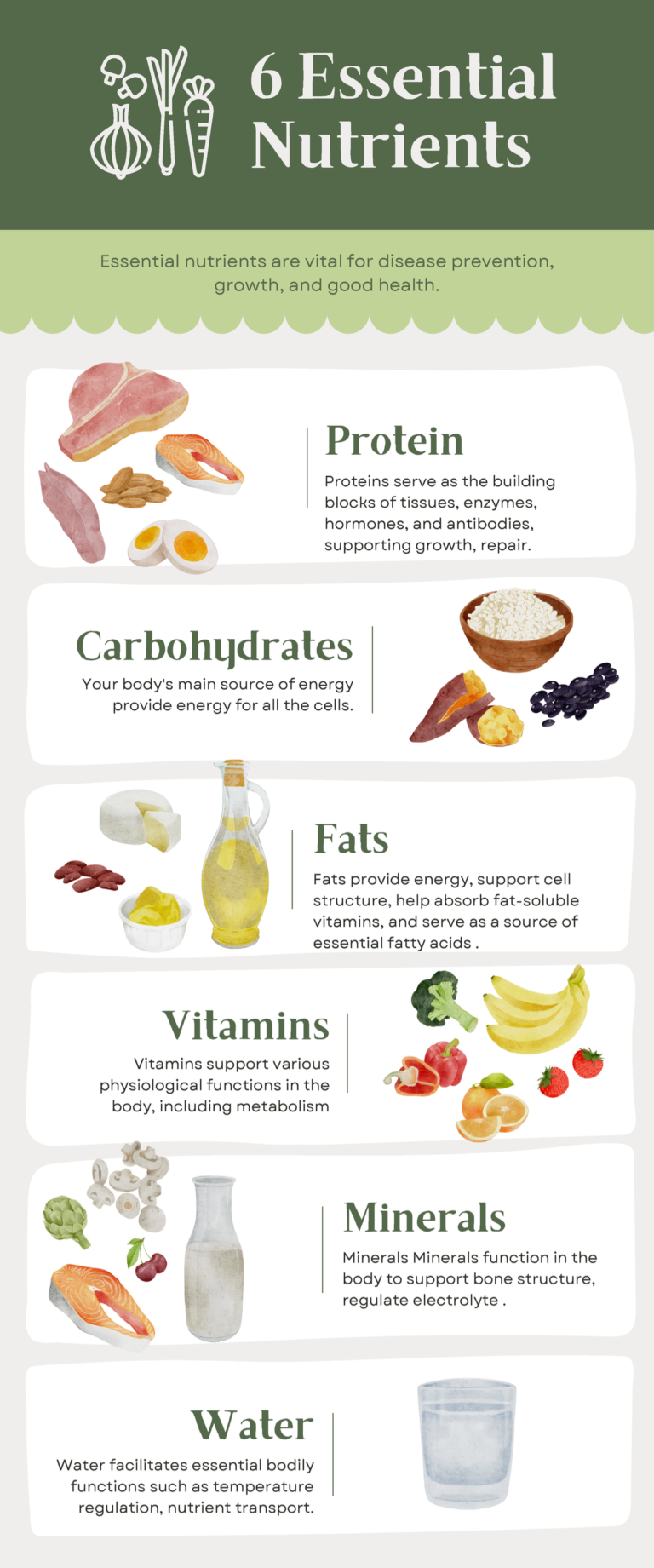
Nutrients are substances that our bodies need to function, grow, repair, and maintain health. They are broadly categorized into two main types: macronutrients (needed in larger amounts) and micronutrients (needed in smaller amounts). These provide energy (calories) and are required in relatively large quantities. Carbohydrates Function: Primary energy source, especially for the brain and muscles.Types:…
Folic acid is the synthetic (human-made) form of vitamin B9, also known as folate. It is an essential water-soluble vitamin that the body needs for numerous important functions. Key Roles of Folic Acid/Folate DNA Synthesis and Repair Crucial for cell division and growth, especially during periods of rapid growth like pregnancy and infancy.Red Blood Cell…
Vitamin D is a fat-soluble vitamin that helps your body absorb calcium and phosphorus, which are essential for strong bones and teeth. It also plays important roles in muscle function, immune health, and inflammation control here are some key function of vitamin D: Bone Health: It helps regulate calcium levels in the body, promoting calcium…
Understanding the critical role of magnesium in muscle function, sleep quality, and stress management. Discover signs of deficiency and best supplementation practices.
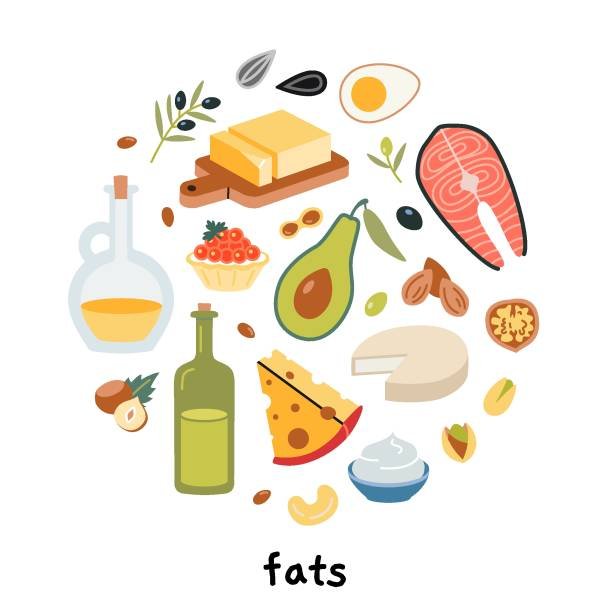
Fats one of the three main macronutrients (alongside carbohydrates and proteins). What Are Fats? Fats, also known as lipids, are organic molecules made up of carbon, hydrogen, and oxygen. They are a concentrated source of energy (providing 9 calories per gram, more than double that of carbs or proteins) and are essential for many vital…
Water is a clear, odorless, tasteless liquid that is essential for all known forms of life. Chemically, it consists of two hydrogen atoms bonded to one oxygen atom (H₂O). Here’s a breakdown of its key properties and importance: Formula: H₂OBonding: Covalent bonds between hydrogen and oxygen, with a bent molecular shape.Polarity: Water is polar, meaning…