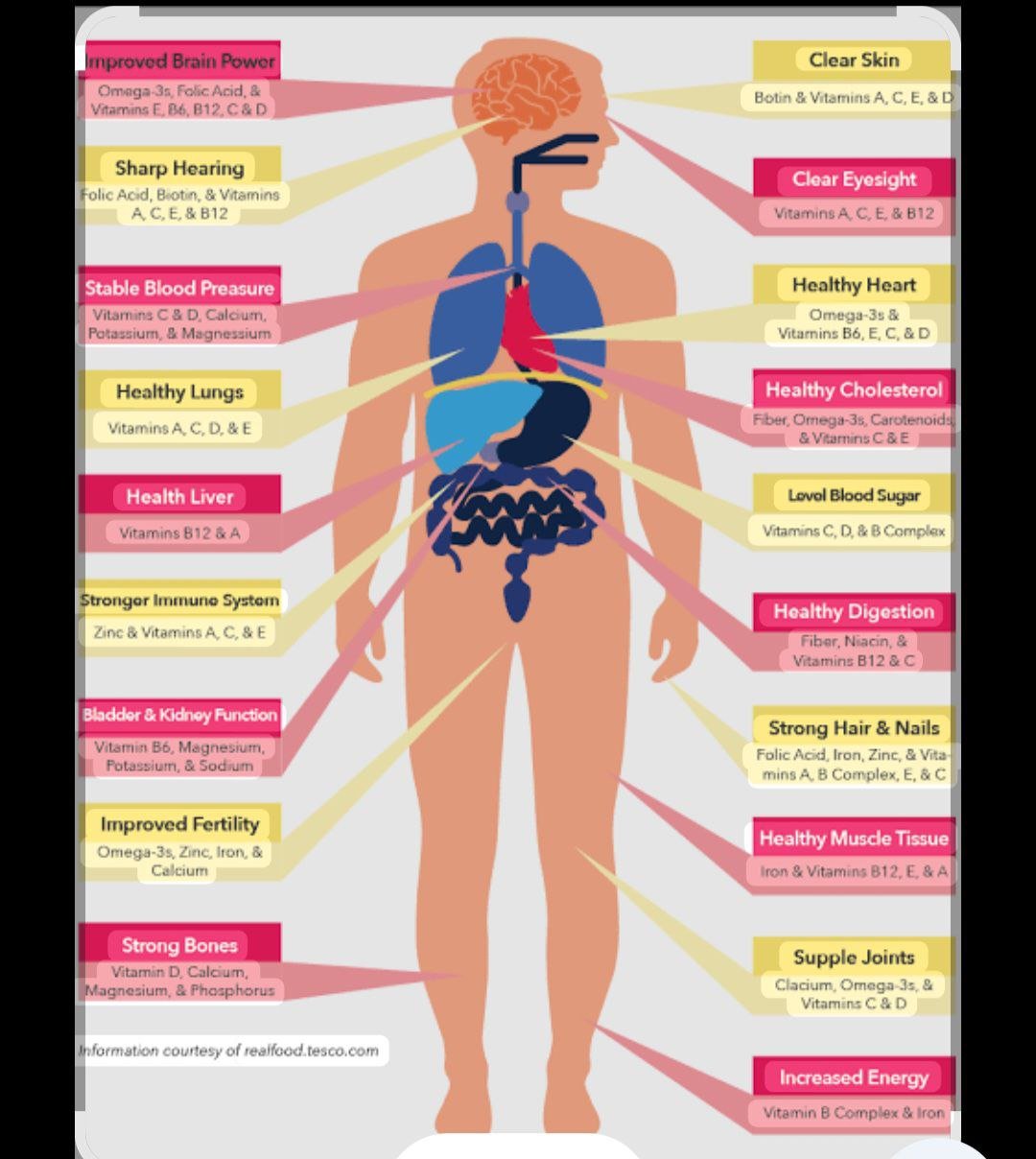
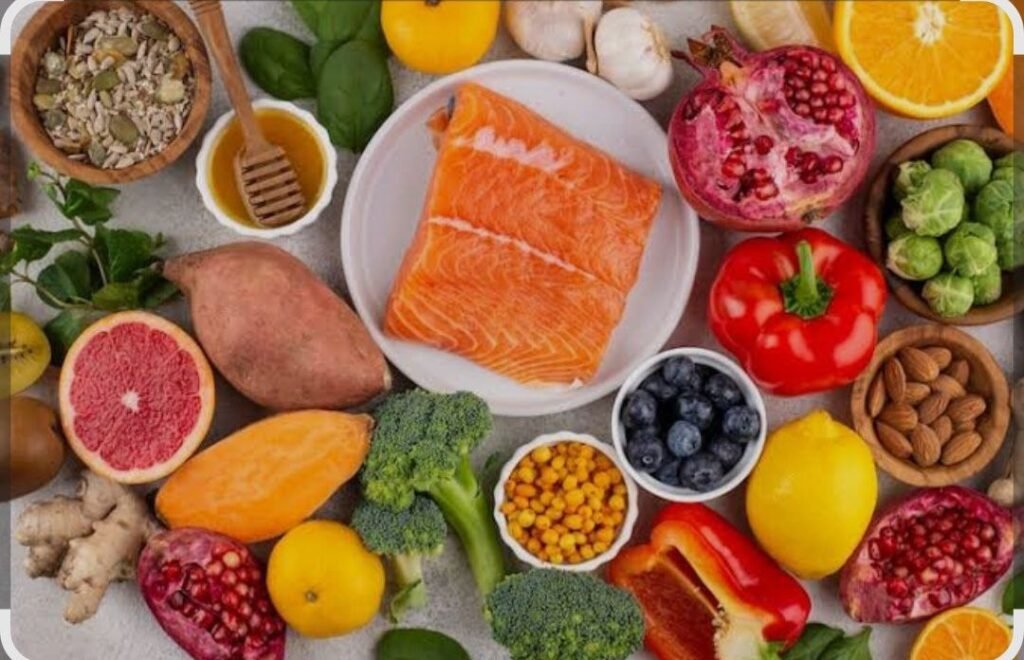
Vitamins are nutrients your body needs to grow, stay healthy, and work properly. Each vitamin has a different job. Here’s a simple, teen-friendly overview Main vitamins and what they do Vitamin A Helps with vision, skin, and immune system Found in carrots, sweet potatoes, eggs Vitamin B (B-complex) Helps turn food into energy Supports the brain and nerves Found in whole grains, meat, eggs, bean
Vitamin C
Helps your body heal wounds
Keeps your immune system strong
Found in oranges, strawberries, bell peppers
Vitamin D Builds strong bones and teeth Helps your body use calcium Comes from sunlight, milk, fish Vitamin E Protects cells from damage
Supports skin and immune health Found in nuts, seeds, vegetable oils
Vitamin K Helps your blood clot properly Important for bone health Found in leafy green vegetables Important to know Most people get enough vitamins by eating a balanced diet Taking too many vitamins (especially supplements) can be harmful Teens should not take vitamin supplements unless a parent or doctor says it’s okay
vitamins are very important goof for our health and maintain our body immune function well and also its important to be focus which vitamin need our body to stay health and wellbeing
Understanding how antioxidants protect your cells from oxidative stress and which vitamins and supplements offer the most powerful antioxidant benefits.
Discover the benefits of collagen supplementation for skin elasticity, joint health, and overall aging. Learn about different types and how to choose the right one.
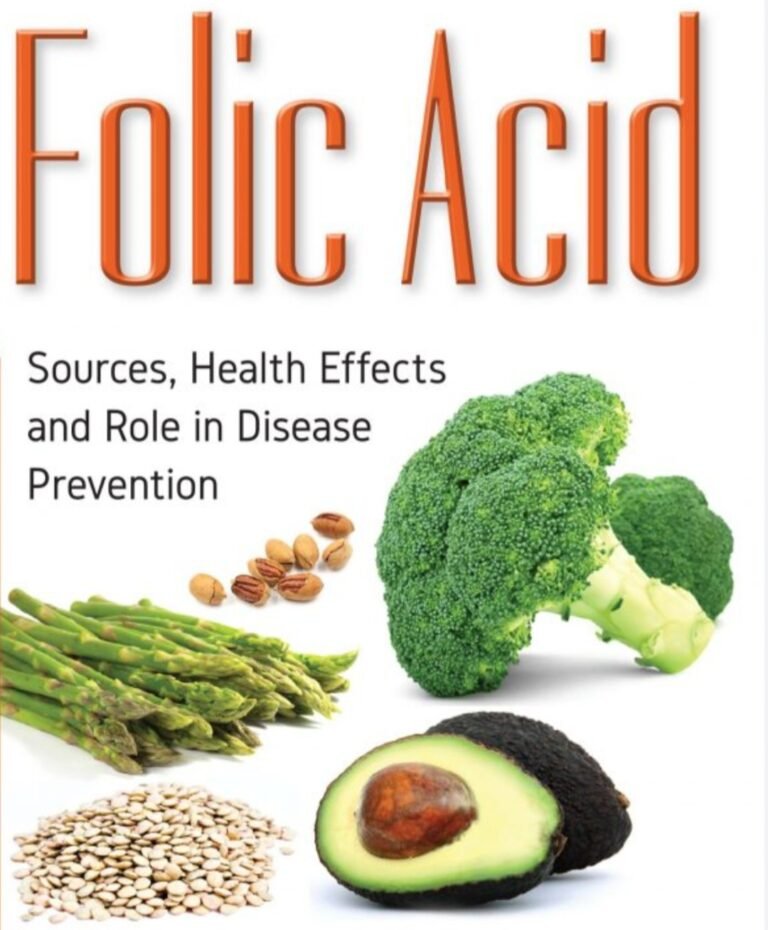
Folic acid is the synthetic (human-made) form of vitamin B9, also known as folate. It is an essential water-soluble vitamin that the body needs for numerous important functions. Key Roles of Folic Acid/Folate DNA Synthesis and Repair Crucial for cell division and growth, especially during periods of rapid growth like pregnancy and infancy.Red Blood Cell…
Dive into the world of probiotics and learn how these beneficial bacteria support digestive health, immunity, and even mental wellness through the gut-brain connection.
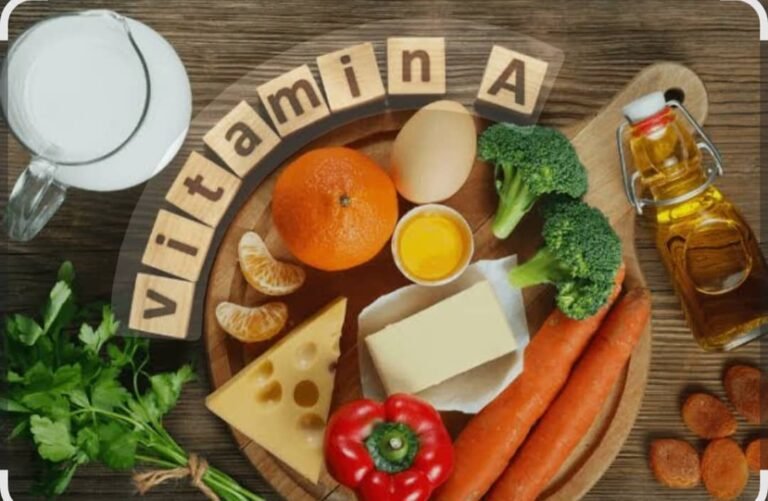
Vitamin A is a fat-soluble vitamin essential for various bodily functions, including: Vision: It is crucial for maintaining healthy vision, particularly in low-light conditions.Immune Function: Vitamin A supports the immune system by promoting the function of white blood cells.Cell Growth: This vitamin plays a key role in cell growth and differentiation, making it important for…
Water is a clear, odorless, tasteless liquid that is essential for all known forms of life. Chemically, it consists of two hydrogen atoms bonded to one oxygen atom (H₂O). Here’s a breakdown of its key properties and importance: Formula: H₂OBonding: Covalent bonds between hydrogen and oxygen, with a bent molecular shape.Polarity: Water is polar, meaning…




Maansha Allah faaiido fiican